
Chapter 1 of 7: Before the lecture
0:34 left
Conlon hears Scarpia's whole-tone run to a tritone as the musical devil, set against Tosca's falling-fourth love theme.
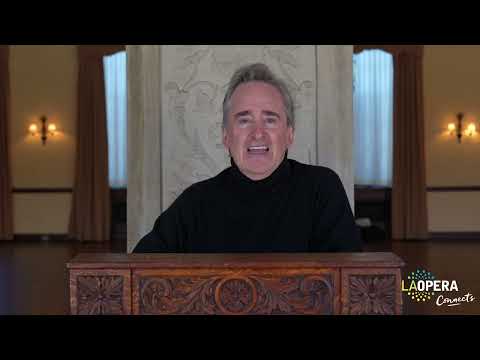
Puccini's Tosca sets a story of politics, religion and love inside a tight network of orchestral motifs. James Conlon, in session 7 of LA Opera's pre-show talks, starts from the opera's reception, including Joseph Kerman's criticism in Opera as Drama. He then traces Scarpia's theme, built on whole tones resolving to a tritone, and the contrasting motives for Angelotti and Mario. The falling fourth of the love music and the Madonna motive stand against the political brutality. Conlon closes on Puccini's prose libretto, his Wagnerian leitmotif technique and the Aristotelian unities across sixteen hours in Rome.
Is it for you
Summary written with AI from the lecture and its descriptionWhat you will take away
- 1Puccini abandoned traditional poetic librettos in favor of pure prose to achieve dramatic immediacy.
- 2The leitmotif system derived from Wagner operates through the orchestra to reveal characters' unconscious feelings.
- 3Scarpia's motive is built on whole tones resolving to a tritone, representing the musical devil.
- 4
Where next


Comments
Your comment is kept while you sign up.Sign in