
Linear Algebra
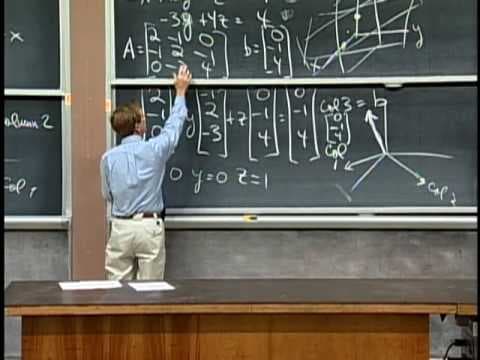
Column-space geometry, orthogonality, eigenvalues, and singular value decomposition taught by MIT's master expositor.
Complete university courses hand-picked across disciplines for standout teaching.
Column-space geometry, orthogonality, eigenvalues, and singular value decomposition taught by MIT's master expositor.
Connects synaptic neurobiology, endocrinology, and evolution to human behavior while dismantling rigid categorical boxes.
Fault-tolerant replication, Raft consensus, Spanner, and distributed transactions examined through landmark systems papers.
Pulitzer Prize historian David Blight's narrative of emancipation, constitutional remaking, and contested American memory.
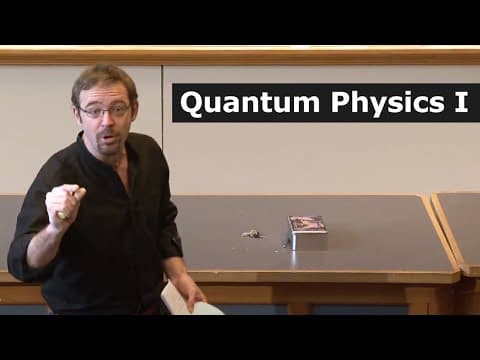
Superposition, Bell nonlocality, operator algebra, and wavefunctions taught with extraordinary blackboard clarity.
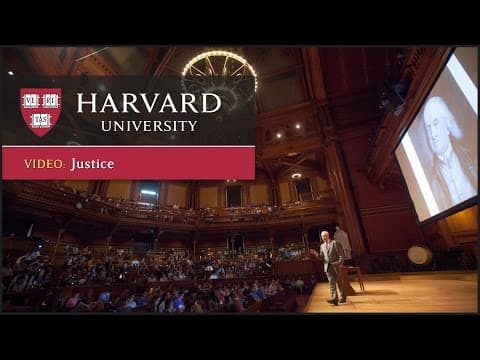
Socratic moral debates testing Bentham, Kant, Locke, Rawls, and Aristotle against hard civic and ethical dilemmas.
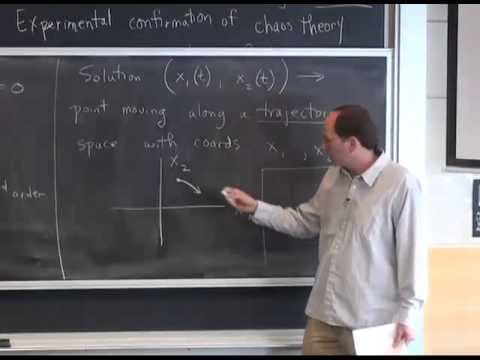
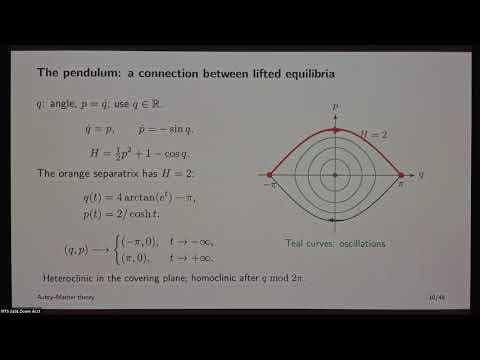
Bifurcations, phase portraits, limit cycles, Lorenz attractors, and fractals from the author of the classic text.
First-principles statistical learning theory: VC dimension, generalization bounds, regularization, and support vector machines.
Dominant strategies, Nash equilibrium, credible threats, asymmetric information, and auctions across economics and politics.
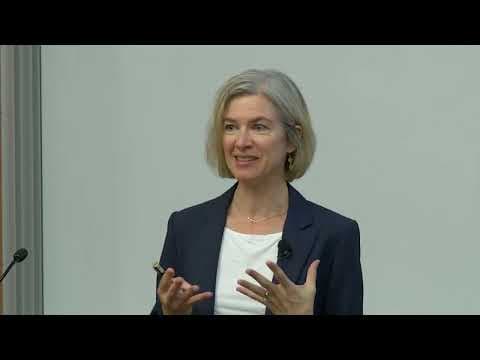
Jennifer Doudna, Nobel laureate and co-discoverer of CRISPR-Cas9, provides a foundational overview of CRISPR biology, tracing its development from fundamental microbial defense mechanisms to a revolutionary genome engineering technology.
Two self-contained talks paired around a single foundational question.
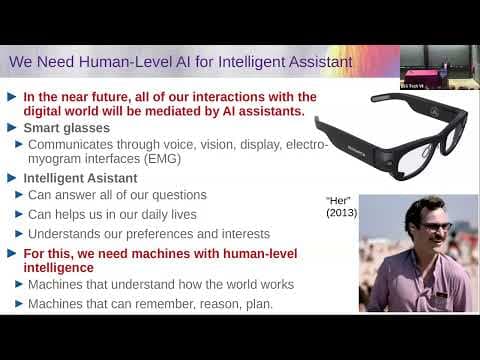
Does general intelligence emerge directly from unsupervised next-token compression, or does reasoning require explicit world models that plan in latent space?
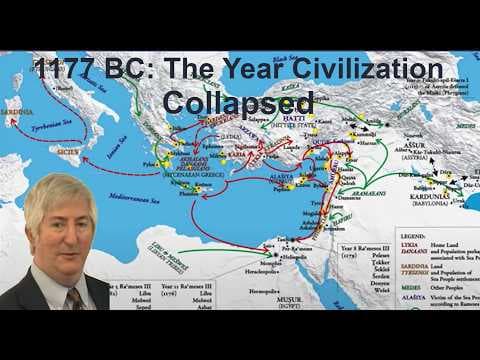
How interconnected Bronze Age kingdoms unraveled within a generation—paired with how early Rome constructed its own civic origin myths out of crisis.
Self-contained lectures, Nobel addresses, and research colloquia you can watch in one sitting.
Jennifer Doudna, Nobel laureate and co-discoverer of CRISPR-Cas9, provides a foundational overview of CRISPR biology, tracing its development from fundamental microbial defense mechanisms to a revolutionary genome engineering technology.
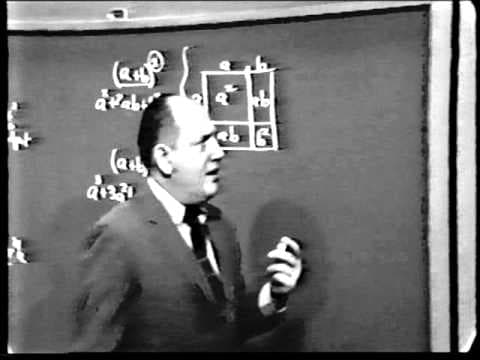
Professor Herb Gross introduces the core concepts of analytic geometry, laying the essential groundwork for the study of single variable calculus within the MIT curriculum.
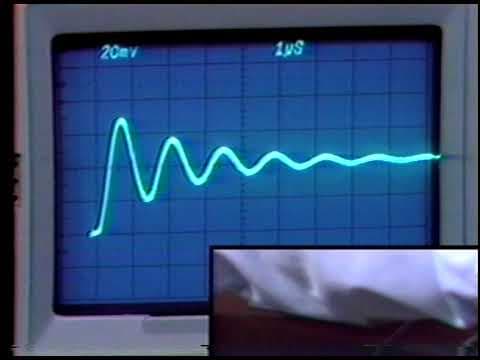
A core lecture from MIT's 6.302 course, providing a detailed analysis of operational amplifier compensation strategies for stable circuit design.
A foundational lecture from MIT's 6.034 course, delving into classic search algorithms including depth-first and hill-climbing techniques in artificial intelligence.
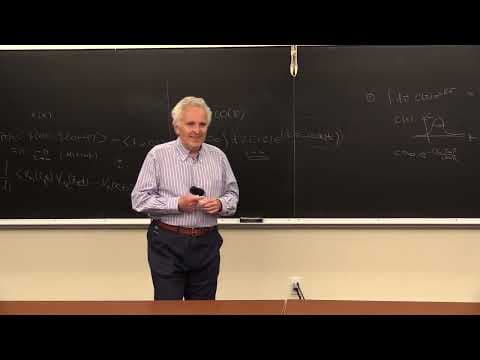
This lecture, delivered by Alexander Polyakov at Princeton, delves into advanced topics in modern classical dynamics, reflecting a deep theoretical approach to fundamental physics.
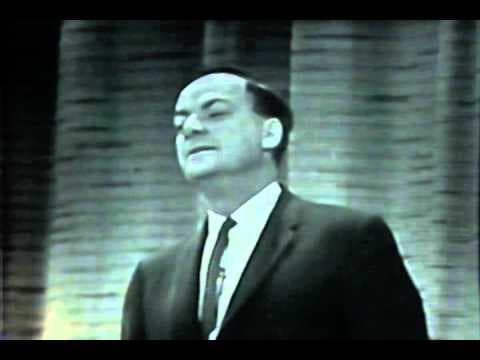
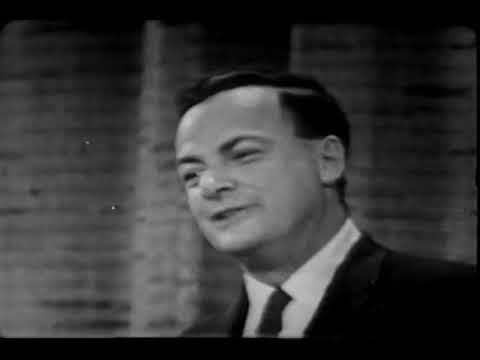
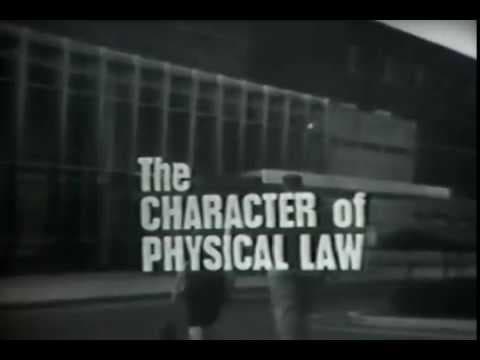
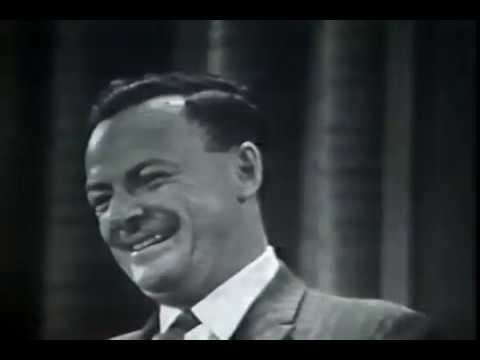
Richard Feynman's final Messenger Lecture, reflecting on the scientific process itself—the interplay between theoretical models, empirical predictions, and the role of observation in validating knowledge.