
Principles of Evolution, Ecology, and Behavior
Prof. Stephen C. StearnsNatural selection, neutral evolution, phylogenetic reconstruction, speciation, life-history optimization, evolutionary medicine, coevolution, behavioral ecology, and ecosystem dynamics.
Syllabus
221. The Nature of Evolution: Selection, Inheritance, and History
This introductory lecture defines the fundamental mechanisms of evolution, distinguishing between natural selection and genetic drift as drivers of change. It traces the conceptual history of evolutionary thought and outlines major milestones in the history of life on Earth.
2. Basic Transmission Genetics
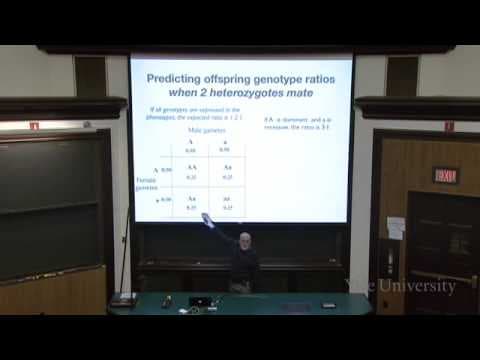
This lecture introduces the fundamental mechanisms of genetic transmission, covering DNA structure, replication, and the implications of Mendelian inheritance laws. It examines the process of genetic information transfer and the impact of mutations on heritable traits.
3. Adaptive Evolution: Natural Selection
This lecture elucidates the mechanisms of adaptive evolution, focusing on natural selection as the driving force. It examines the relationship between selection strength and evolutionary speed, distinguishing between directional, stabilizing, and disruptive selection outcomes.
4. Neutral Evolution: Genetic Drift
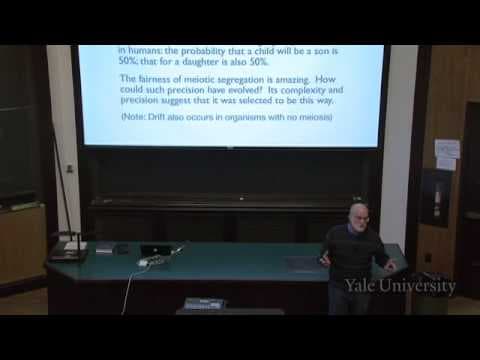
This lecture introduces the theory of neutral evolution, examining how genetic drift, independent of natural selection, influences gene frequencies. It details mechanisms of neutral mutations and their application as a molecular clock for phylogenetic analysis.
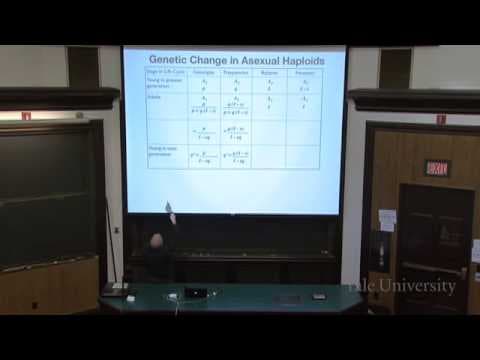
5. How Selection Changes the Genetic Composition of Population
This lecture from Yale's EEB 122 course examines the mathematical principles governing genetic change under selection. It contrasts rates of adaptive change across asexual/haploid and sexual/diploid genetic systems, demonstrating how gene frequencies are altered by selective pressures.
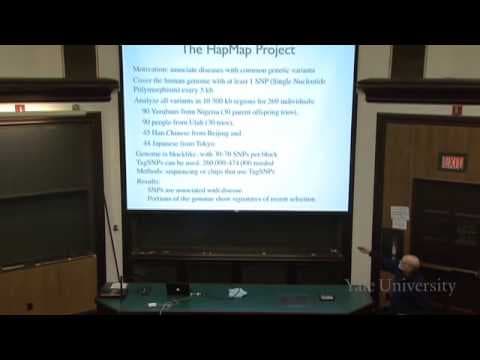
6. The Origin and Maintenance of Genetic Variation
This lecture, part of Yale's Principles of Evolution, Ecology, and Behavior course, analyzes the mechanisms generating and preserving genetic diversity, focusing on mutation rates, sexual recombination, and the role of population size in evolutionary dynamics.
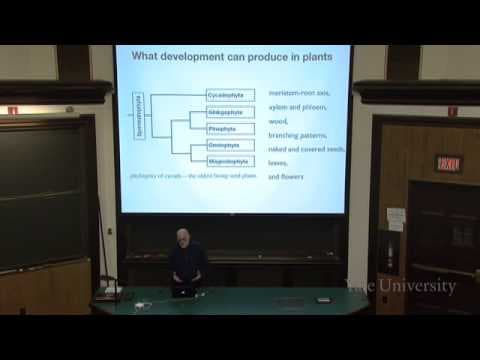
7. The Importance of Development in Evolution
This lecture examines the role of developmental processes in shaping the complexity and diversity of multicellular organisms. It discusses the genetic control of development, highlighting the significance of ancient, conserved structures and combinatorial gene expression, including the function of transcription factors.
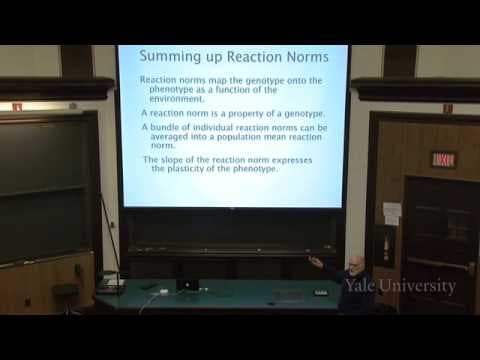
Lecture 8: The Expression of Variation: Reaction Norms (EEB 122)
This lecture explores reaction norms as phenotypic ranges produced by a single genotype across environments, analyzing their fit within phylogenetic constraints and developmental limitations. It examines their varying expressions within populations and the utility of their study.
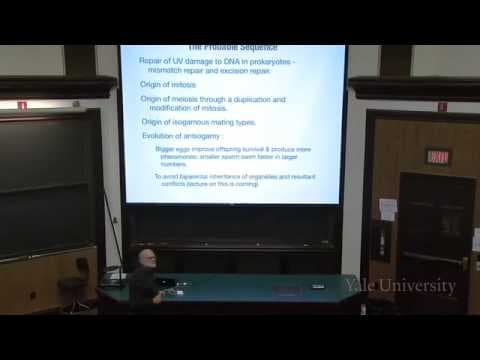
Lecture 9: The Evolution of Sex (EEB 122)
This lecture investigates the adaptive advantages of sexual reproduction, including its role in spreading beneficial mutations and enhancing pathogen resistance, while also addressing its associated genetic and ecological costs.
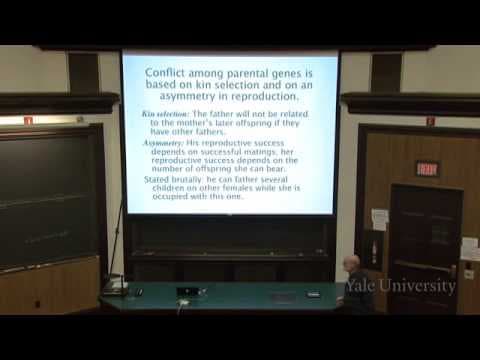
Lecture 10: Genomic Conflict (EEB 122)
This lecture analyzes genomic conflict, arising from misaligned interests of genomic elements within cells, organisms, or between individuals. It discusses mechanisms to mitigate such conflicts, like meiotic fairness and uniparental inheritance of cytoplasmic genomes.
Lecture 11: Life History Evolution (EEB 122)
This lecture systematically introduces the core tenets of life history theory, analyzing evolutionary trade-offs in age/size at maturity, offspring number/size, and lifespan. It explores how organisms reach evolutionary equilibrium in response to mortality risk and resource acquisition challenges.
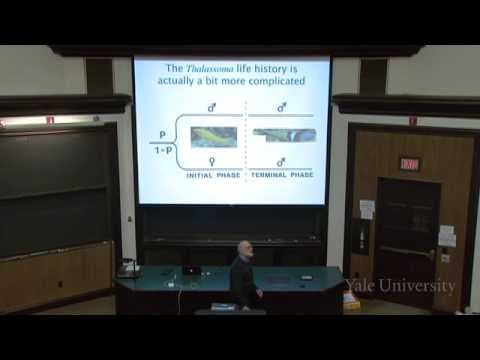
Lecture 12: Sex Allocation (EEB 122)
This lecture discusses sex allocation, an organism's reproductive investment distribution between male and female functions, examining optimal ratios under varying conditions. It covers sex determination in hermaphroditic and dioecious species based on environmental cues.
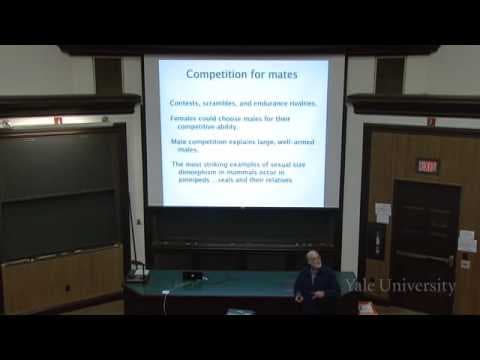
Lecture 13: Sexual Selection (EEB 122)
This lecture defines sexual selection as a component of natural selection where mating success drives trait evolution. It differentiates between intersexual mate choice and intrasexual competition, emphasizing the role of honest, costly signals in mate assessment and sexual dimorphism.
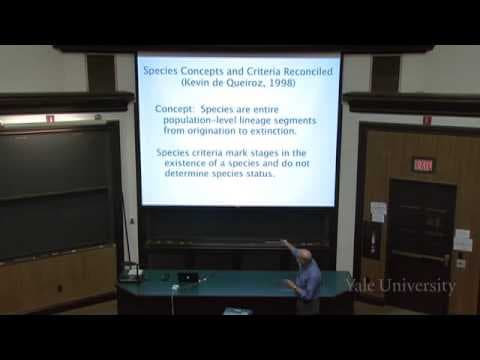
Lecture 14: Species and Speciation (EEB 122)
This lecture explores the mechanisms of speciation, defining species primarily through reproductive isolation and phylogenetic relatedness. It discusses allopatric and sympatric speciation, outlining the genetic and ecological stages of divergence into distinct populations and species.
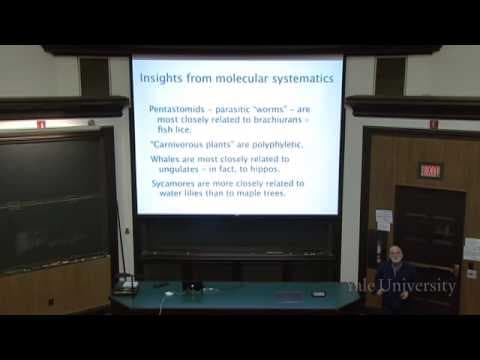
Lecture 15: Phylogeny and Systematics (EEB 122)
This lecture details methods for reconstructing the Tree of Life using genetic analysis, emphasizing how appearances can mislead phylogenetic groupings. It introduces criteria like parsimony and likelihood for determining accurate evolutionary relationships based on shared characteristics.
Lecture 16: Comparative Methods: Trees, Maps, and Traits (EEB 122)
This lecture demonstrates how comparative methods, particularly molecular genetics, link phylogenetic information to geographic histories and trait evolution. It highlights human migration patterns and how independent contrasts reveal ancestral trait states.
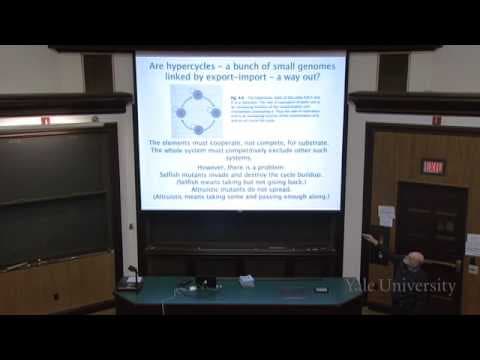
Lecture 17: Key Events in Evolution (EEB 122)
This lecture identifies pivotal evolutionary events, categorizing them by the emergence of new hierarchical selection levels and the formation of symbiotic relationships. It covers transitions from non-life to life, the development of early cells, and the role of conflict resolution in information transmission.
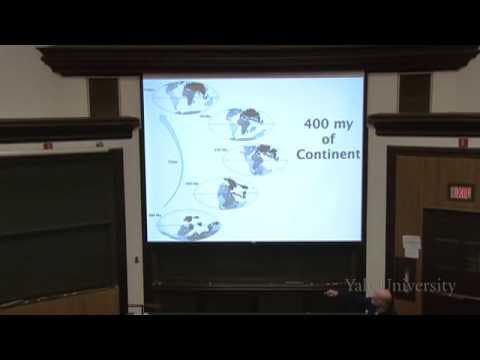
Lecture 18: Major Events in the Geological Theatre (EEB 122)
This lecture explores how geological and climatic forces, such as atmospheric oxygenation, mass extinctions, and plate tectonics, have profoundly influenced life's development. It also discusses the reciprocal impact of biological processes on Earth's geological composition.
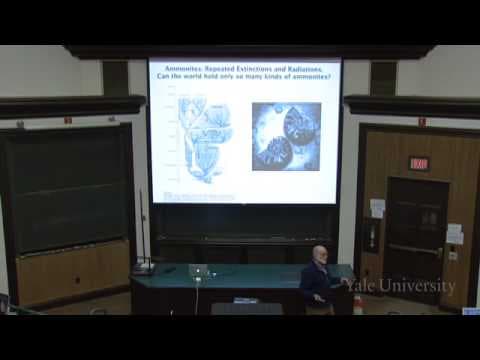
Lecture 19: The Fossil Record and Life's History (EEB 122)
This lecture analyzes the fossil record as a vital source of evolutionary data, particularly for long time scales. It illustrates how extinctions facilitate new speciation, patterns of radiation in life forms, and instances of evolutionary stasis.
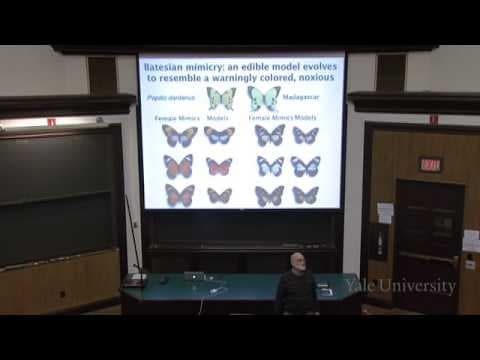
Lecture 20: Coevolution (EEB 122)
This lecture examines coevolution at multiple biological levels, from intracellular organelles to interspecies interactions. It explores beneficial symbioses and harmful parasitism, highlighting how interaction frequency and degree influence coevolutionary outcomes and mimicry.
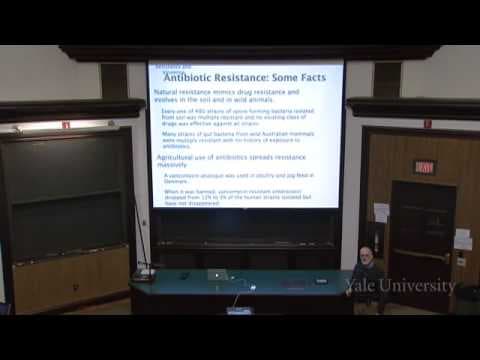
Lecture 21: Evolutionary Medicine (EEB 122)
This lecture explores the critical role of evolutionary principles in medicine, detailing how human physiology and pathogen responses evolve. It discusses adaptive phenotypic plasticity (e.g., 'thrifty phenotypes') and the evolution of intermediate virulence in pathogens.
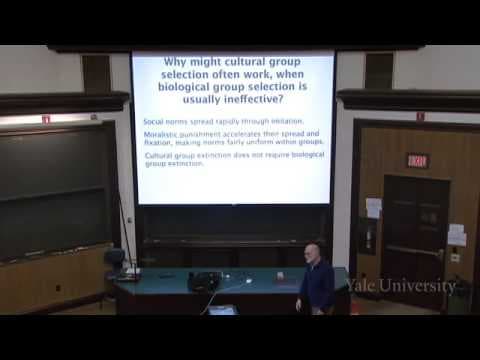
Lecture 22: The Impact of Evolutionary Thought on the Social Sciences (EEB 122)
This lecture explores the potential for humans to be undergoing an evolutionary transition between individual and group selection, explaining social tensions through conflicts between biological and cultural levels of organization. It uses examples of selfishness and altruism to illustrate these selective forces in human behavior.