
European Civilization, 1648–1945
Absolutism, the Enlightenment, the French Revolution, industrialization, urban life, nationalism, imperial rivalry, World War I, the Russian Revolution, and World War II.
Syllabus
22Introduction
This introductory lecture outlines the thematic scope of European history from 1648 to 1945, examining the consolidation of state power, the emergence of capitalism, and the role of warfare, including a discussion of Bertolt Brecht's 'A Worker Reads History' poem.
Absolutism and the State
This lecture examines the emergence of absolutist states in continental Europe following the Thirty Years' War, analyzing the motivations for consolidating monarchical power and its effects on governance, military organization, and cultural expression.
Dutch and British Exceptionalism
This lecture analyzes the historical divergence of Great Britain and the Netherlands from 17th-century European absolutism, examining the role of a large urban middle class, anti-absolutist national traditions, and the cultural impact of Protestantism and maritime trade in shaping their distinct political identities.
Peter the Great
This lecture examines the reign of Peter the Great, analyzing his role in Russia's territorial expansion and its integration into the European state system. It explores the cultural reforms, the internal political struggles, and the impact of Western influences on Russian society during his rule.
The Enlightenment and the Public Sphere
This lecture examines the Enlightenment's impact through the public sphere, analyzing how academies, salons, the Grub Street press, and legal briefs contributed to the desacralization of the French monarchy and the critique of despotism leading to the Revolution.
Maximilien Robespierre and the French Revolution
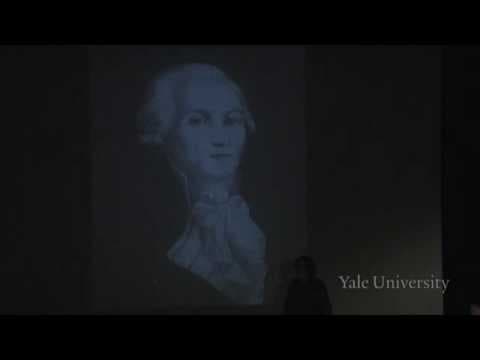
This lecture examines Maximilien Robespierre's political philosophy and role in the French Revolution, analyzing the ideological conflicts between Jacobins and Girondins, and the dynamics of counter-revolutionary forces. It details the motivations and consequences of the Reign of Terror.
Napoleon
This lecture examines Napoleon Bonaparte's Corsican heritage and the formation of his French identity during the Revolution. It critically analyzes the debate surrounding the Napoleonic Wars as a precursor to modern 'total war' and outlines his lasting contributions to the French state, including centralization and the Concordat.
Industrial Revolutions
This lecture dissects the Industrial and Agricultural Revolutions, exploring their intertwined consequences such as urban growth, proletarianization, and the persistence of artisanal production alongside mechanization. It critiques the traditional view of a sudden industrial break.
Middle Classes
This session examines the rise of diverse European middle classes in the 19th century, challenging the homogenous 'bourgeoisie' stereotype. It explores their pursuit of power through property rights and their complex role in both capitalist exploitation and philosophical pioneering.
Popular Protest
This lecture examines the historical forms of popular protest and collective violence during the 19th century in Europe, focusing on the grain riots, the English Swing movement, and the Demoiselles of the Ariège to illustrate resistance against expanding capitalism and state power.
Why no Revolution in 1848 in Britain
This session investigates why Britain avoided revolution in 1848, unlike most of Europe, despite social tensions. It attributes this to successful reformist political measures, a non-violent Chartist movement, and the establishment of a British self-identity based on respectability.
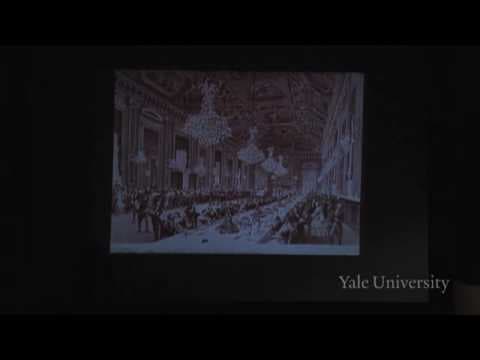
Nineteenth-Century Cities
This lecture examines unprecedented 19th-century urbanization, focusing on class segregation within cities and contrasting European and American urban patterns. It also explores the rhetoric of disease and decay that accompanied concentrated urban populations.
Nationalism
This lecture explores the constructed nature of national identity in Europe, drawing on Benedict Anderson's concept of 'imagined communities.' It analyzes how factors like religion, ethnicity, and language shape national identification, with a focus on the Austro-Hungarian Empire's endurance.
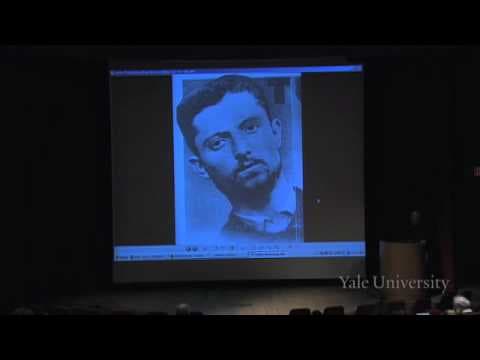
Radicals
This session differentiates between reformist and revolutionary strains of 19th-century socialism, particularly syndicalists and anarchists. It discusses their conviction that the State could not be reformed from within, leading to acts of 'propaganda by the deed' exemplified by Émile Henry.
Imperialists and Boy Scouts
This lecture analyzes the 'New Imperialism' of the late 19th century, identifying religious proselytizing, profit, and inter-imperial political strategy as key drivers. It also examines the cultural program of imperialism, using the Boy Scouts as a case study for domestic support.
The Coming of the Great War
This session investigates the geopolitical and economic motivations behind the alliances leading to World War I, particularly the unexpected entente between France, Britain, and Russia. It also highlights the role of cultural identity, especially concerning Alsace-Lorraine, in shaping pre-war tensions.
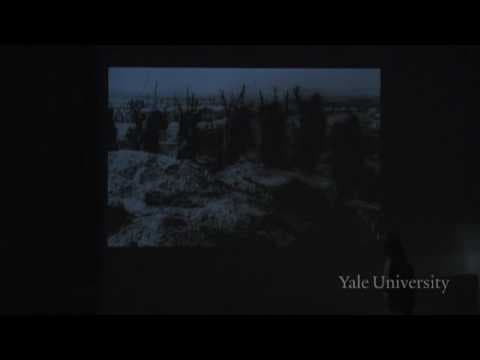
War in the Trenches
This lecture describes World War I as a war of defense following the failure of Germany's offensive strategy, detailing the brutal realities of trench warfare. It examines the impact of new artillery, the resulting bloody stalemates, and the French mutinies driven by sheer horror.
Sites of Memory, Sites of Mourning
This guest lecture explores European commemoration of World War I, contrasting it with US understanding. It analyzes how mass media and traditional memorials created 'sites of memory' for personal and political reconciliation, influencing post-war European identity.
The Romanovs and the Russian Revolution
This lecture details the complex revolutionary processes between the February and October Russian Revolutions of 1917. It focuses on the fate of Nicholas II and Alexandra amidst the struggle for power among competing political factions and the ultimate delusion of his rescue.
Successor States of Eastern Europe
This session challenges the notion of post-WWI peace, framing the interwar period as part of a 'Thirty Years' War.' It examines the division of Europe by the Treaty of Versailles, the frustration of revisionist powers, and the pernicious debates over ethnic majorities and minority persecution.
Stalinism
This lecture investigates whether Stalinism's abuses were inherent in the early Russian Revolution, using archival evidence. It explores Stalin's commitment to national assimilation and his paranoia, which led to widespread executions and deportations targeting 'undesirable' groups.
Fascists
This session contextualizes the rise of fascism in Germany, focusing on Hitler's trajectory shaped by WWI and the post-war climate of resentment and instability. It highlights Germany's economic crisis and middle-class support for National Socialism, leading to persecution of minorities.