
Roman Architecture
Prof. Diana E. E. KleinerConcrete vaulting, urban forums, Pompeii, imperial palaces, the Colosseum, the Pantheon, Hadrian's Villa, and architectural engineering across the Roman provinces.

Syllabus
211. Introduction to Roman Architecture
This introductory lecture surveys the architectural and urban planning principles of Roman civilization, from early stone structures to concrete masterpieces like the Colosseum and Pantheon, contextualizing their broader impact across the empire.
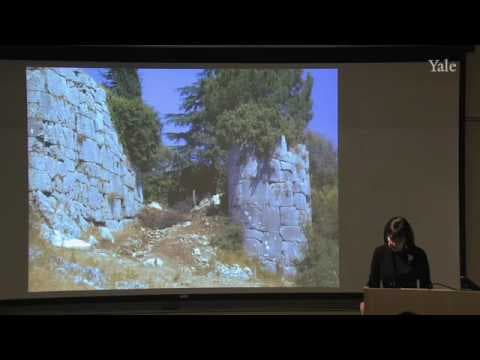
2. It Takes a City: The Founding of Rome and the Beginnings of Urbanism in Italy
This lecture explores the origins of Roman architecture, examining the fusion of Etruscan and Greek temple typologies, early defensive fortifications, and the emergence of city planning principles in foundational Roman colonies such as Cosa and Ostia.
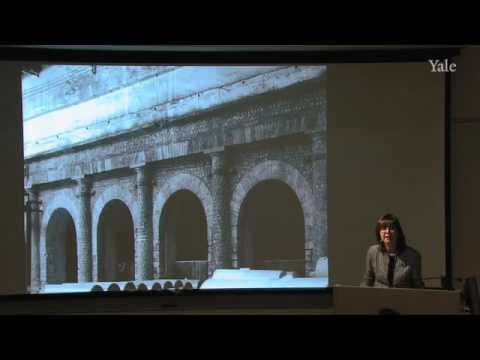
3. Technology and Revolution in Roman Architecture
This lecture examines the transformative impact of Roman concrete technology on architectural design and construction in the late Republican period, contrasting early pragmatic applications with later explorations of its expressive potential, as exemplified by the Sanctuary of Fortuna Primigenia.
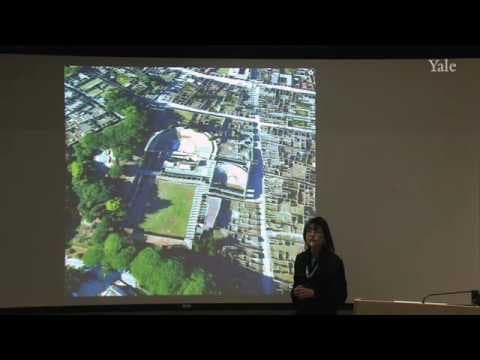
4. Civic Life Interrupted: Nightmare and Destiny on August 24, A.D. 79
Professor Kleiner examines the civic, commercial, and religious architecture of Pompeii, including its forum, basilica, temples, and bath complexes, as preserved by the A.D. 79 eruption of Mount Vesuvius.
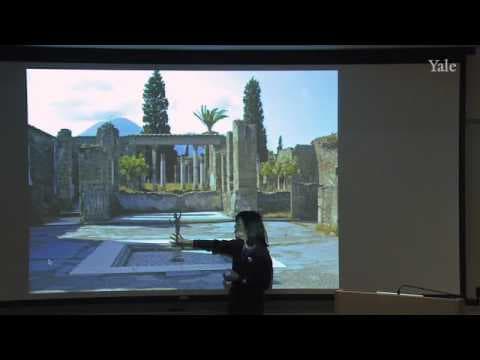
5. Lifestyles of the Rich and Famous: Houses and Villas at Pompeii
This lecture examines the evolution of domestic architecture in Pompeii, detailing the structural principles of the ideal Domus Italica and the integration of Greek elements, particularly the peristyle court, within Hellenized houses. Specific analysis includes the House of the Faun and the Villa of the Mysteries.
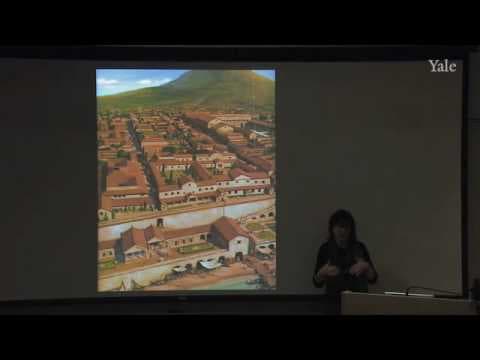
6. Habitats at Herculaneum and Early Roman Interior Decoration
This lecture explores domestic architecture in Herculaneum and details the evolution of Roman interior decoration, focusing on the First (Masonry) and Second Styles of wall painting, using examples from the Houses of the Mosaic Atrium and the Stags.
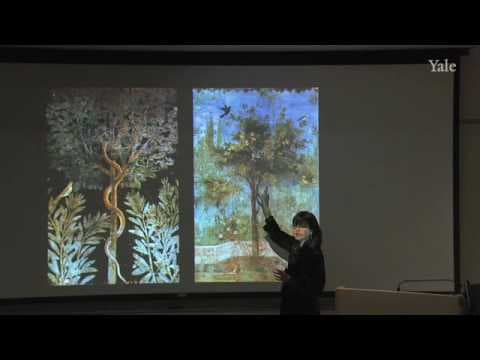
7. Gilding the Lily: Painting Palaces and Villas in the First Century A.D.
This lecture analyzes the stylistic evolution of Roman wall painting, contrasting the attenuated architectural elements and flatness of the Third Style with the eclectic, scenographic compositions and mythological panels of the Fourth Style, examining key examples from Oplontis, Boscotrecase, the Domus Aurea, Pompeii, and Herculaneum.
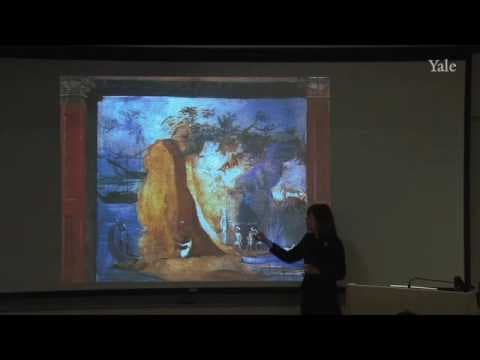
Lecture 8: Exploring Special Subjects on Pompeian Walls (HSAR 252)
This lecture examines unique non-architectural subjects in Roman wall painting, including the Dionysiac Mysteries in Pompeii, mythological landscapes, genre scenes, and painted portraiture. It analyzes how these diverse themes were integrated into various architectural styles.
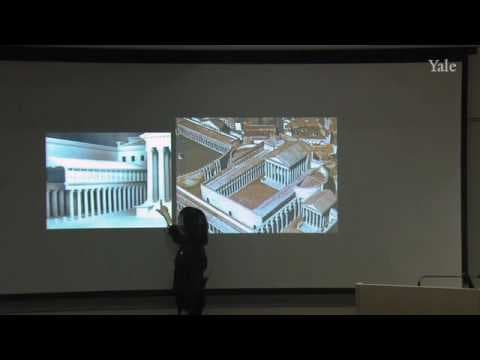
Lecture 9: From Brick to Marble: Augustus Assembles Rome (HSAR 252)
This session details Augustus' architectural transformation of Rome from brick to marble, utilizing new quarries at Luna. It explores the Forum of Julius Caesar and the Forum of Augustus, highlighting their symbolic connections to Venus Genetrix and Periclean Athens.
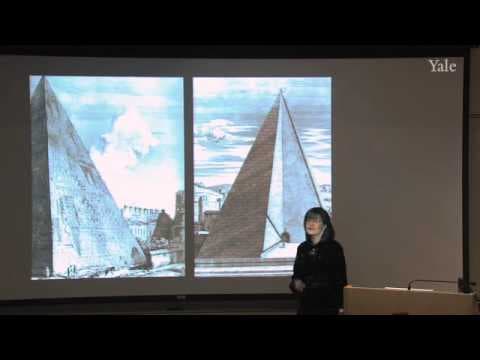
Lecture 10: Accessing Afterlife: Tombs of Roman Aristocrats, Freedmen, and Slaves (HSAR 252)
This lecture investigates Roman sepulchral architecture under Augustus, from the imperial Mausoleum of Augustus to the personalized tombs of aristocrats, freedmen, and slaves. It analyzes forms such as the pyramidal Tomb of Gaius Cestius and the trapezoidal Tomb of Eurysaces.
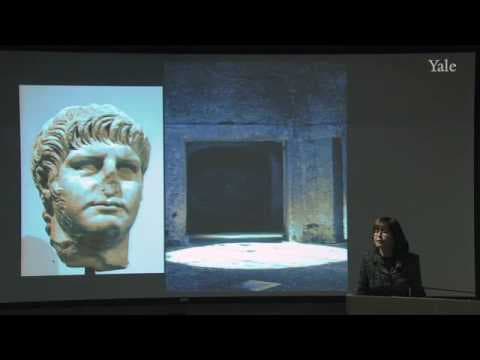
Lecture 11: Notorious Nero and His Amazing Architectural Legacy (HSAR 252)
This lecture surveys Julio-Claudian architecture, focusing on Tiberius's Villa Jovis, Claudius's rusticated masonry, and Nero's luxurious Domus Aurea. It highlights the Domus Aurea's octagonal room as a pivotal innovation in Roman architectural history.
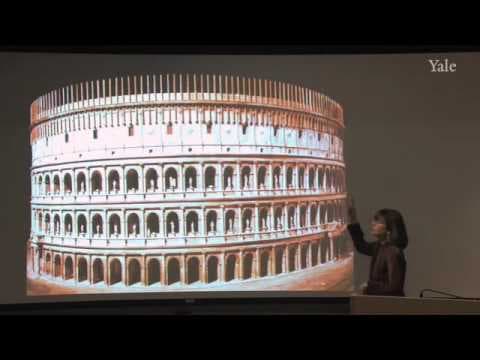
Lecture 12: The Creation of an Icon: The Colosseum and Contemporary Architecture in Rome (HSAR 252)
This lecture explores Flavian architecture, examining how Vespasian utilized monuments like the Claudianum and the Colosseum for political messaging. It analyzes the technical and aesthetic innovations of the Flavian Amphitheater, built on the former site of Nero's Domus Aurea.
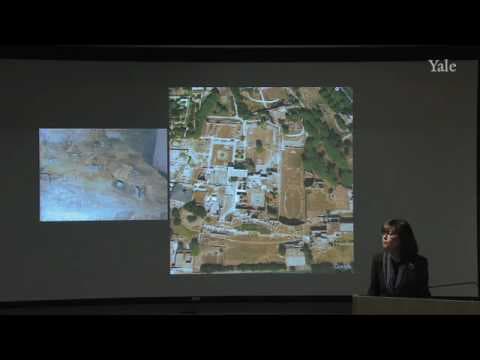
Lecture 13: The Prince and the Palace: Human Made Divine on the Palatine Hill (HSAR 252)
This lecture focuses on Domitian's architectural commissions, including the Arch of Titus and the Stadium of Domitian. It deeply investigates the vast Imperial Palace on the Palatine Hill, designed by Rabirius, showcasing concrete construction and marble revetment.
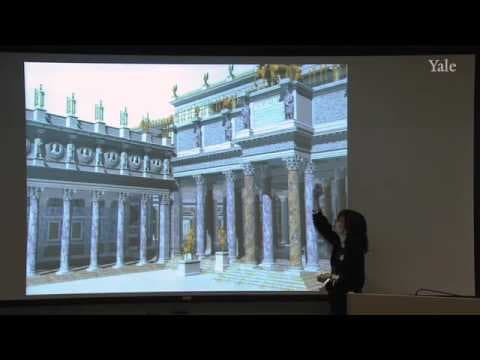
Lecture 14: The Mother of All Forums: Civic Architecture in Rome under Trajan (HSAR 252)
This lecture examines Trajan's monumental civic architecture in Rome, including the Baths of Trajan and, most notably, the Forum and Markets of Trajan. It analyzes the ambitious scale and engineering of these projects, designed by Apollodorus of Damascus.
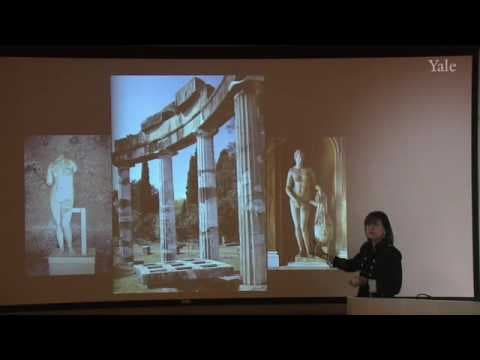
Lecture 15: Rome and a Villa: Hadrian's Pantheon and Tivoli Retreat (HSAR 252)
This lecture explores Hadrian's architectural legacy, featuring the Temple of Venus and Roma and the Pantheon. It analyzes the Pantheon's innovative combination of a traditional Greco-Roman porch with a vast concrete dome and oculus, representing a zenith in Roman construction.
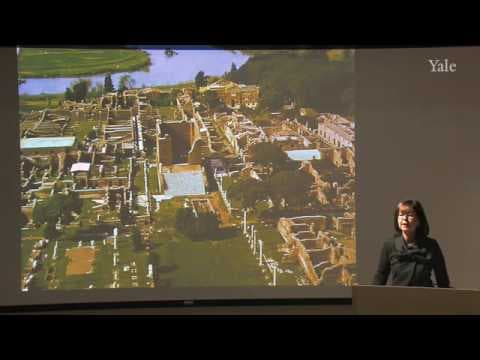
Lecture 16: The Roman Way of Life and Death at Ostia, the Port of Rome (HSAR 252)
This lecture focuses on Ostia, highlighting its multi-story residential buildings and extensive use of brick-faced concrete. It examines civic structures like the Forum and Piazzale delle Corporazioni, alongside housing such as the Insula of Diana and warehouses.
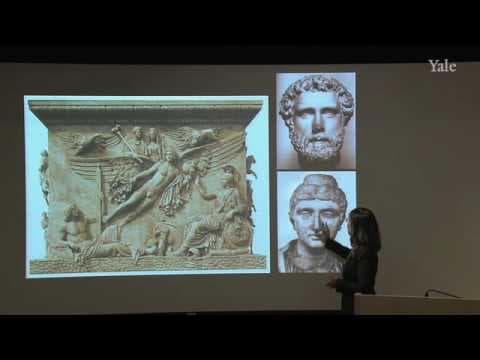
Lecture 17: Bigger Is Better: The Baths of Caracalla and Other Second- and Third-Century Buildings in Rome (HSAR 252)
This lecture examines the 'bigger is better' philosophy in second and third-century Roman architecture, discussing tomb exteriors of exposed brick and interiors with painted stucco or architectural embellishments. It analyzes the monumental Baths of Caracalla and Severan dynastic commissions.
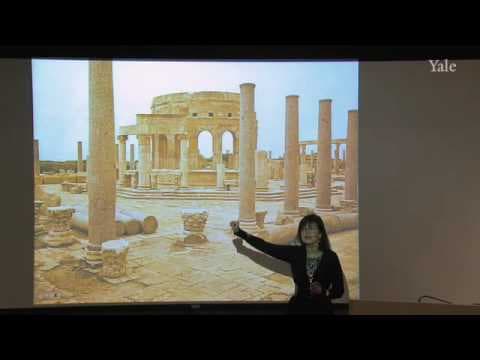
Lecture 18: Hometown Boy: Honoring an Emperor's Roots in Roman North Africa (HSAR 252)
This lecture explores Roman North African cities, contrasting Timgad's ideal castrum plan with Leptis Magna's organic growth. It details Septimius Severus's architectural renovations in his hometown of Leptis, including the Severan Forum, Basilica, and Arch.
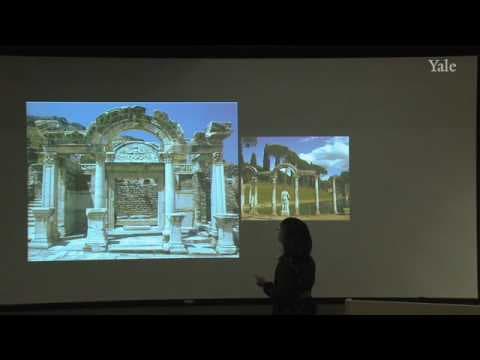
Lecture 19: Baroque Extravaganzas: Rock Tombs, Fountains, and Sanctuaries in Jordan, Lebanon, and Libya (HSAR 252)
This lecture investigates the baroque phenomenon in Roman architecture, where traditional elements are dynamically manipulated to enliven building façades. It showcases examples from the Greek East, including the rock-cut tombs of Petra and the monumental architecture of Baalbek and Palmyra.
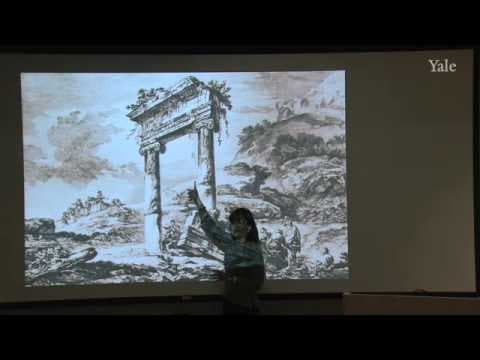
Lecture 20: Roman Wine in Greek Bottles: The Rebirth of Athens (HSAR 252)
This lecture examines the Roman transformation of Athens under emperors like Augustus and Hadrian, emphasizing the significant architectural exchange between Greece and Rome. It presents monuments on the Acropolis and in the Agora, demonstrating Roman contributions to Greek urban landscapes.
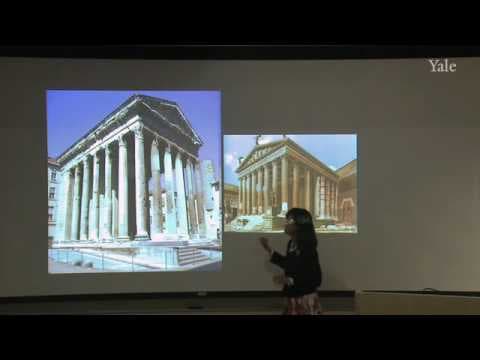
Lecture 21: Making Mini Romes on the Western Frontier (HSAR 252)
This lecture explores the 'Romanization' of the western provinces, illustrating how Roman amenities transformed new colonies into miniature versions of Rome. It investigates urban design in Augustan towns and key building types such as the Theater at Orange and the Pont-du-Gard aqueduct.