
America's Unwritten Constitution
Philosophical and jurisprudential inquiry into constitutional interpretation beyond explicit text, examining precedent, foundational norms, natural rights traditions, and democratic legitimacy.
Syllabus
19Reading Between the Lines, Part 1
This lecture introduces the method of holistic constitutional interpretation, applying the absurdity canon to the Vice President's impeachment trial and the 'judge in own case' rule. It also examines McCulloch v. Maryland, demonstrating how John Marshall inferred a national bank's legality from the document's overall purpose, not explicit text.
Reading Between the Lines, Part 2
Continuing the holistic method, this lecture extends McCulloch v. Maryland to state taxation of national banks, connecting it to the dormant commerce clause. It explores free speech in 1850 through popular sovereignty, arguing that a part cannot govern the whole and no one can judge their own case.
Heeding the Deed, Part 1
This lecture shifts focus from constitutional text to its enactment, analyzing the 1787-1788 ratification as a continental act of free speech and simple majority rule. It draws a contemporary implication: a simple Senate majority can change filibuster rules, reflecting principles baked into the founding deed.
Heeding the Deed, Part 2
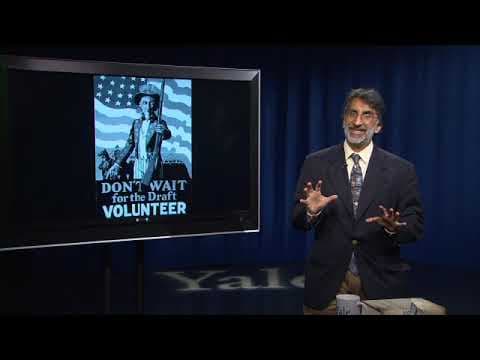
Exploring the 'deed' of constitutional amendment, this lecture traces how the Republican Government clause evolved through the Fourteenth and Fifteenth Amendments, linking it to Reconstruction's democratic standards. It also examines the national draft, showing how wartime necessity shaped its constitutional acceptance.
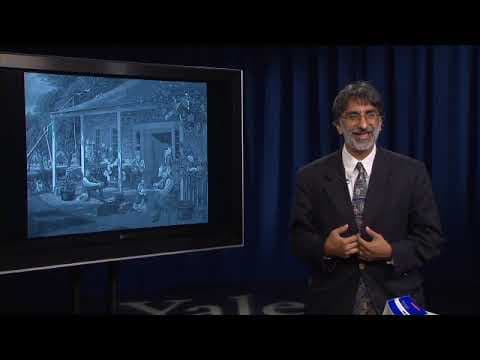
Hearing the People, Part 1
This lecture introduces America's 'lived Constitution', where rights emerge from custom and practice, particularly under the Ninth Amendment. It shows how courts recognize unenumerated rights by 'counting' evolving state practices, from the right to testify to privacy cases like Griswold and Lawrence v. Texas.
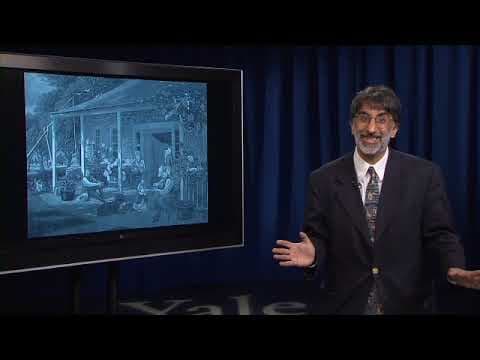
Hearing the People, Part 2
Continuing the 'lived Constitution' theme, this lecture traces the evolution from property to privacy rights through Justice Harlan's interpretation of the Third and Fourth Amendments. It covers home-life cases, Gideon's right to counsel, and the Eighth Amendment's 'unusual' clause in death penalty cases, advocating for grounding these in privileges and immunities.
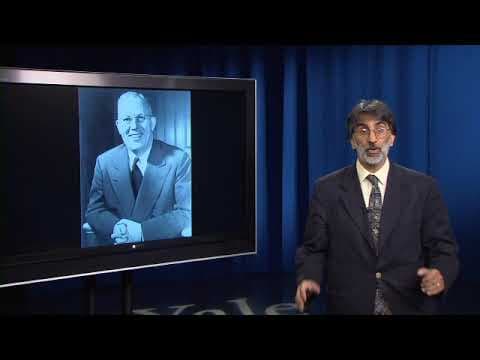
Confronting Modern Case Law, Part 1
This lecture analyzes Warren Court decisions through the lens of the Constitution's text, grounding Brown v. Board and Bolling v. Sharpe in anti-nobility clauses and the Fourteenth Amendment's equal birth status. It examines the Bill of Rights' application to states via the privileges or immunities clause and defends New York Times v. Sullivan.
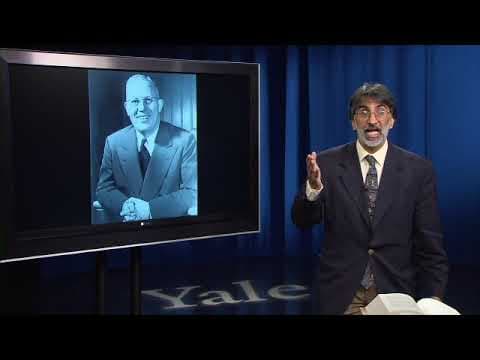
Confronting Modern Case Law, Part 2
This lecture defends most Warren Court rulings, including school-prayer decisions, but critiques the exclusionary rule of Mapp v. Ohio for its departure from lived practice and for freeing the guilty. It traces 'one person, one vote' from Reynolds v. Sims to the Republican Government clause, evaluating the Court's overall fidelity to the Constitution's spirit.
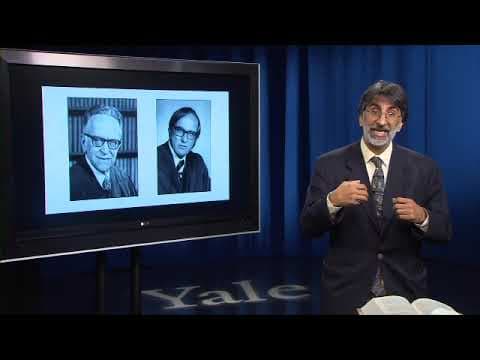
Putting Precedent in Its Place, Part 1
This lecture dissects 'judicial power' into five components: interpretation, implementation, res judicata, stare decisis, and remedy. It applies this framework to Brown v. Board, explaining why the Court shifted the burden of proof and initially confined its holding to education, later extended in Loving v. Virginia.
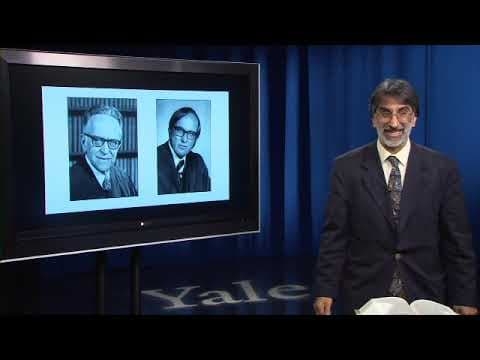
Putting Precedent in Its Place, Part 2
This lecture argues that the Constitution, not the Supreme Court, is the supreme law, defining a limited role for precedent. It contends the exclusionary rule lacks fit as Fourth Amendment wrongs were meant for tort suits, not freeing the guilty, and reads Casey and Dickerson through this lens of precedent's binding authority.
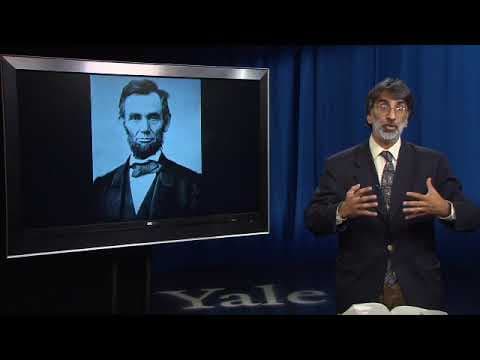
Honoring the Icons, Part 1
This lecture introduces the 'symbolic constitution' by identifying a core set of iconic texts—Declaration of Independence, Federalist Papers, Northwest Ordinance, Gettysburg Address, Brown v. Board, and King's 'I Have a Dream'—demonstrating their interconnectedness and role in shaping a shared American creed.
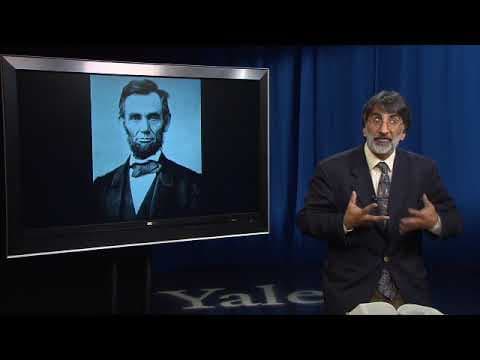
Whose Constitution Do We Actually Live In?
This lecture explores how symbolic texts clarify constitutional ambiguities. It illustrates the Declaration's influence on taxation and the dormant commerce clause, the Federalist Papers on national security, and the Northwest Ordinance on anti-colonial principles. It concludes that we live in Lincoln's Constitution, emphasizing 'born equal' via the Gettysburg Address and Brown v. Board.
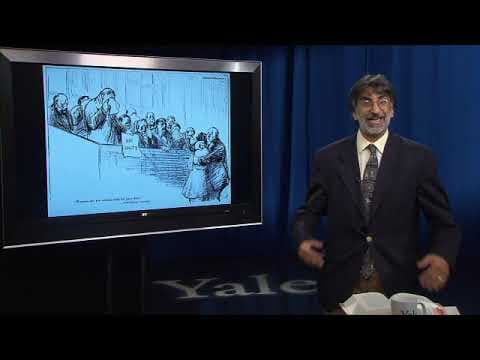
Remembering the Ladies, Part 1
This lecture introduces America's 'feminist Constitution,' analyzing how the Nineteenth Amendment challenges the original popular sovereignty narrative where women lacked suffrage. It argues that courts should consider legislative history's male dominance when evaluating laws related to women's equality, using a hypothetical Violence Against Women Act.
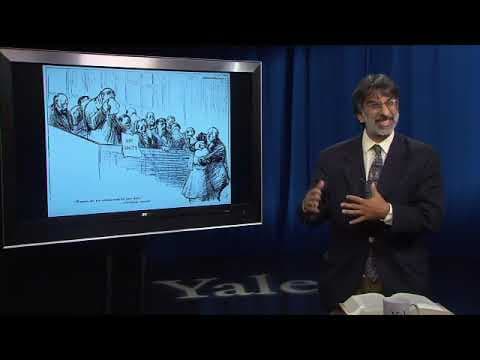
Remembering the Ladies, Part 2
Continuing the 'feminist Constitution' theme, this lecture traces the unwritten implications of the Nineteenth Amendment on marital domicile, the rise of political spouses, and presidential succession dynamics. It reinterprets Griswold and Roe in light of pre-suffrage enactment and connects jury service and office eligibility to equal political participation.
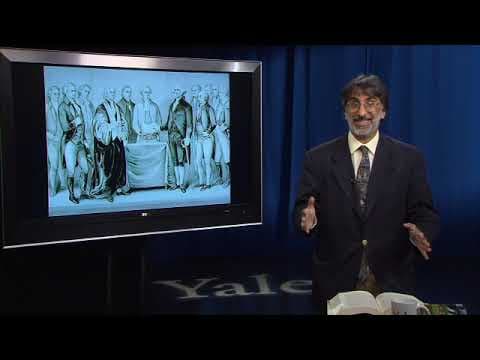
Following Washington's Lead, Part 1
This lecture explains why Article II's vague presidency was intentionally underspecified, drafted around George Washington. It demonstrates how much executive power stems from Washington's precedents, not explicit text, using the recognition of foreign governments and secret envoys as key examples.
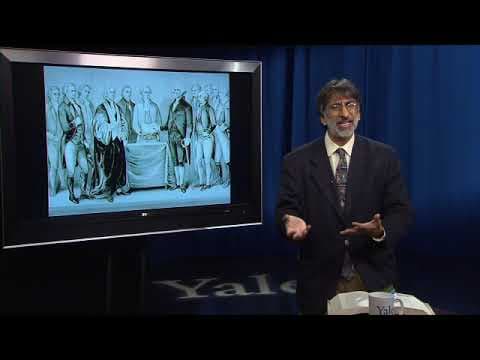
Following Washington's Lead, Part 2
This lecture examines Washington's precedents that settled powers left blank by the text, such as the neutrality proclamation establishing presidential foreign policy authority. It delineates the boundary where Washington overreached by implying criminal law creation and details how the Decision of 1789 solidified the president's removal power.
Interpreting Government Practices, Part 1
This lecture draws parallels with Britain's unwritten constitution to illustrate how U.S. government practice fills gaps in Article I and III. It details Congress's inherent powers of oversight, subpoena, and contempt, including the Robert Randall case, and examines recess appointments and how the House organizes itself.
Interpreting Government Practices, Part 2
This lecture explores how practice and majority rule define constitutional elements like the size of the House and Court, and voting procedures. It analyzes FDR's court-packing plan, the filibuster's constitutional option, and case studies including the legislative veto, independent counsel, Saxby fix, and independent agencies.
Joining the Party, Part 1
This lecture addresses the paradox of a two-party system unmentioned in the Constitution. It explains how original presidential rules courted disaster with emerging parties, leading to the Twelfth Amendment. It interprets later amendments, from Reconstruction to women's suffrage, as products of partisan practice.