
America's Written Constitution
Akhil Reed AmarSystematic historical and textual examination of the United States Constitution, tracing its eighteenth-century ratification, structural separation of powers, and Reconstruction amendments.
Syllabus
16Course Introduction: Reading America's Written Constitution
This introductory lecture outlines a textual, article-by-article approach to the Constitution, emphasizing its democratic, pro-slavery, and national security dimensions.
Congressional Powers, Part 1
This session examines the structure and initial powers of Congress in Article I, focusing on the Speech and Debate Clause as a unique guarantee and the implications of representation for taxation.
Congressional Powers, Part 2
This lecture analyzes the enumerated powers of Article I, Section 8, interpreting the Commerce Clause broadly and the Necessary and Proper Clause through federalism and separation of powers lenses.

America's First Officer, Part 1
This segment introduces Article II by contrasting the powerful new presidency with the ceremonial 'president' under the Articles of Confederation and detailing its singular nature and fixed term.
Why Does America Have an Electoral College?
This lecture challenges common explanations for the Electoral College, presenting slavery as a key motivator and analyzing Article II's eligibility rules, including the 'natural-born citizen' clause.
Presidential Powers, Part 1
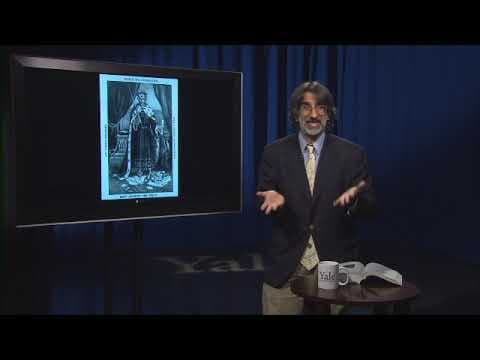
This session explores the presidential oath and the early vice presidency, demonstrating how the Constitution establishes executive continuity and an expansive view of presidential authority.
Presidential Powers, Part 2
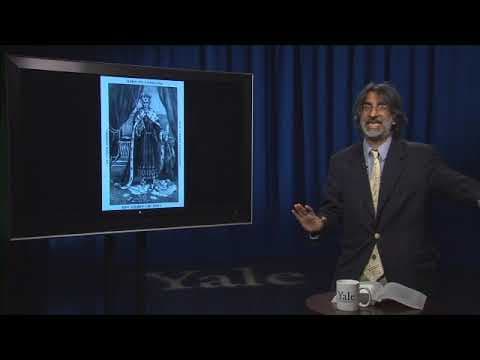
This lecture examines presidential powers unparalleled by a monarch, such as the veto and the Vesting Clause, as textual bases for broad executive authority including removal power and treaty negotiation.
Judges and Juries, Part 1
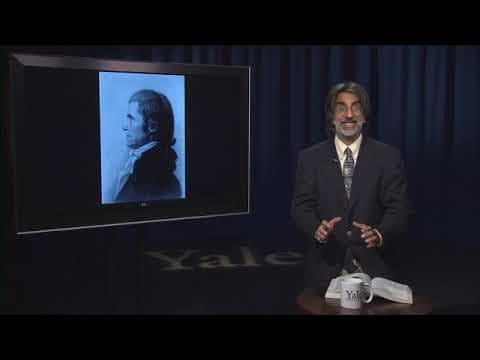
This lecture contextualizes Article III within the Revolution's judicial history, explaining why the judiciary shares its chapter with juries and emphasizing the founders' skepticism of judges.
Judges and Juries, Part 2
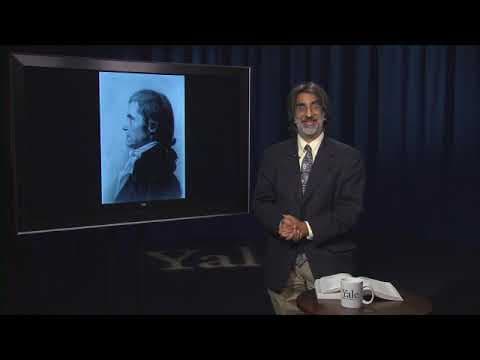
This session disentangles the principle of judicial review from its historical application, arguing for a modest founder's expectation of its scope and contrasting it with other constitutional vetoes.
States and Territories, Part 1
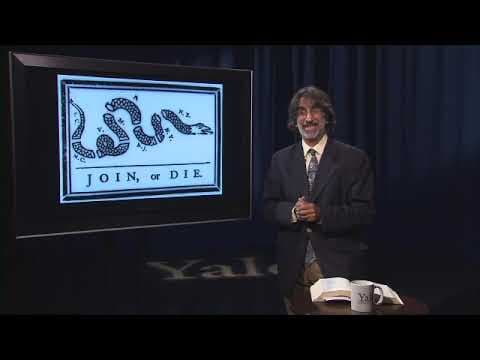
This lecture opens Article IV, examining the horizontal federalism of states interacting with each other, from Benjamin Franklin's 'Join or Die' to the provisions of the Articles of Confederation.
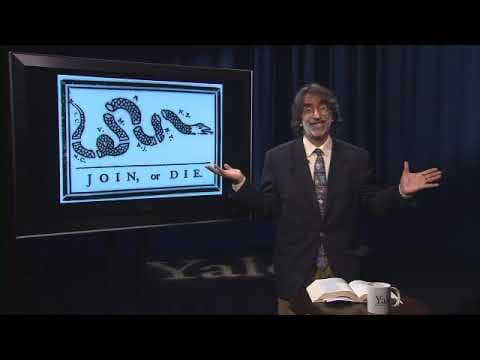
States and Territories, Part 2
This session analyzes the distinct constitutional questions of slavery, including the Fugitive Slave Clause and territorial powers, and interprets interstate privileges and immunities through the lens of Dred Scott.
The Law of the Land, Part 1
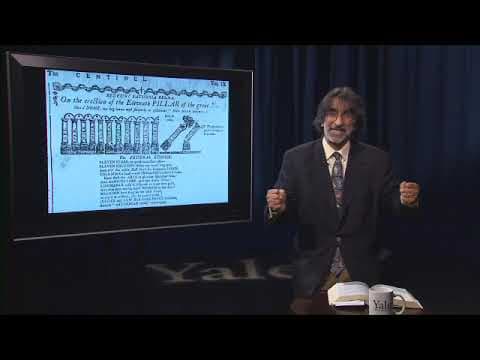
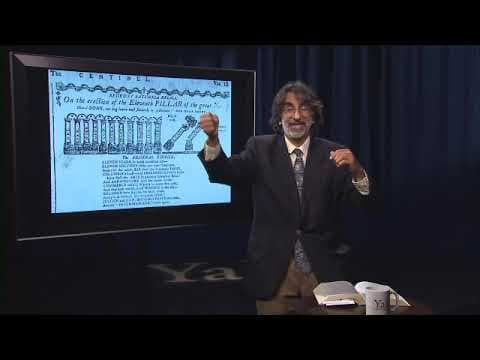
This lecture details Article V's amendment process, explaining its four pathways and contrasting its flexibility with the unamendable Articles of Confederation and various state constitutions.
The Law of the Land, Part 2
This session concludes with Articles VI and VII, establishing the Constitution as higher law through the Supremacy Clause and defining the hierarchy of legal authority based on democratic pedigree.
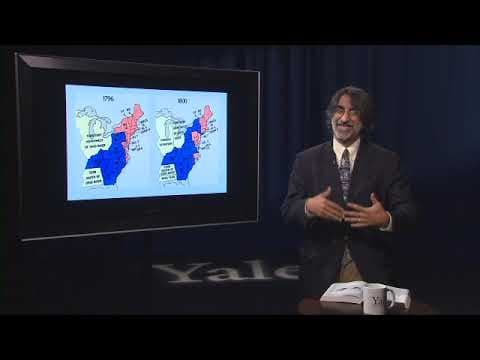
Making Amends, Part 1
This lecture transitions to the amendments, highlighting their chronological appending as an intergenerational project and tracing the evolution from colonial revolution to state constitutions.
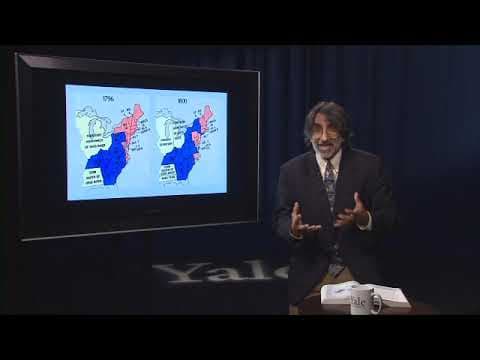
Making Amends, Part 2
This session examines the Bill of Rights through themes of localism and populism, connecting them to Anti-Federalist concerns and explaining the original limited scope of the First Amendment.
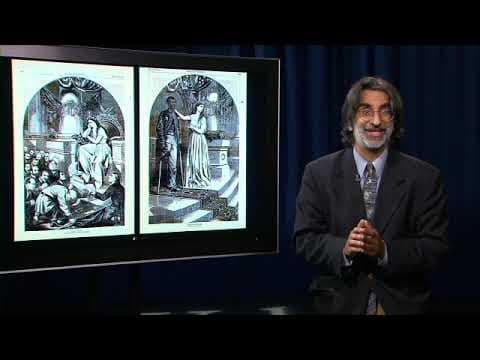
A New Birth of Freedom, Part 1
This lecture concludes the founding era by linking national security to key constitutional designs and exploring Lincoln's initial gradual plan for slavery's abolition versus the eventual Civil War.