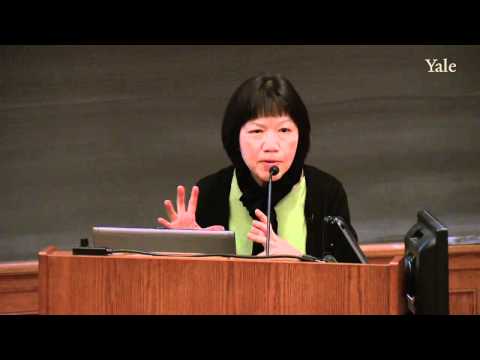
Opening Faulkner's The Sound and the Fury, Part IV (Yale AMST 246)
Faulkner's The Sound and the Fury, Part IV (Yale AMST 246)
- Length
- 51 min
- Level
- Undergraduate
- Recorded
- Yale University2012
Opening Faulkner's The Sound and the Fury, Part IV (Yale AMST 246)
Chapter 1 of 7: Why Caddy is not the narrator
William Faulkner's The Sound and the Fury concludes with an omniscient narrative perspective focused on Dilsey and Luster rather than Cady. The fourth section opens with a stark external depiction of Dilsey that carries the historical weight of slavery. As Dilsey sings while working in the kitchen and attends an Easter Sunday service featuring the Reverend Shegog, a communal voice and moments of spiritual epiphany emerge. The narrative revisits and rewrites key motifs from earlier sections, including Quentin's obsession with time and Jason's control over Benji during a carriage ride. Through these interactions, Faulkner constructs a complex vision of endurance and community.

Your comment is kept while you sign up.Sign in
Reads Dilsey's broken kitchen clock and the Reverend Shegog's Easter sermon as Faulkner's answer to Quentin.
William Faulkner's The Sound and the Fury concludes with an omniscient narrative perspective focused on Dilsey and Luster rather than Cady. The fourth section opens with a stark external depiction of Dilsey that carries the historical weight of slavery. As Dilsey sings while working in the kitchen and attends an Easter Sunday service featuring the Reverend Shegog, a communal voice and moments of spiritual epiphany emerge. The narrative revisits and rewrites key motifs from earlier sections, including Quentin's obsession with time and Jason's control over Benji during a carriage ride. Through these interactions, Faulkner constructs a complex vision of endurance and community.
The Sound and the Fury
The Portable Faulkner
As I Lay Dying
The Sound and the Fury (Vintage edition)
Born in Slavery: Slave Narratives from the Federal Writers' Project, 1936-1938
Absalom, Absalom!
The Negro Church
The Souls of Black Folk
This lecture
Lecture 9 of 25 of Hemingway, Fitzgerald, Faulkner.
Choose a node to see how it connects to this lecture. What comes before is on the leftat the top. What comes after is on the rightat the bottom. The ring is what it teaches. People and places are above. Other lectures and books are below.
Press a chosen node again to open it.


