Courses
105 multi-lecture university courses with ordered session lists.
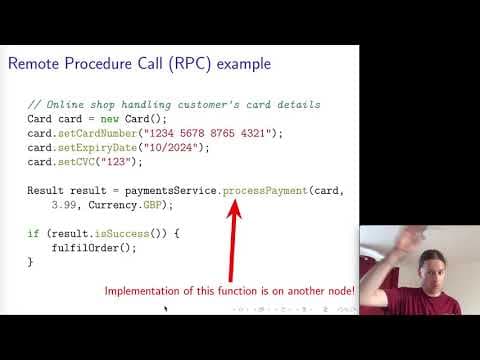

Distributed Systems
Martin Kleppmann's concise Cambridge lecture sequence on physical and logical clocks, causality, broadcast protocols, Raft consensus, replication, CRDTs, and distributed transactions.

Intro to Database Systems
Inside modern relational and analytical DBMS internals: relational algebra, slotted-page storage, log-structured merge trees, columnar compression, buffer pool management, and hash/B+Tree indexes.
Advanced Database Systems
Graduate systems seminar on modern OLAP execution engines: columnar compression, Parquet/Arrow formats, vectorized SIMD execution, JIT query compilation, worst-case optimal joins, and cloud lakehouses.

Query Optimization in Modern Database Systems
Advanced systems course on relational query optimization, analyzing System R bottom-up dynamic programming, Volcano/Cascades top-down rule engines, cardinality estimation, and join ordering.

Introduction to Computer Science
Harvard's flagship introduction to algorithmic thinking and systems programming: C pointers and memory layout, data structures, Asymptotic complexity, Python, SQL relational schemas, and web security.

Performance Engineering of Software Systems
Systematic engineering of fast software: Bentley optimization rules, bit hacks, compiler vectorization, Cilk work-span parallelism, cache-oblivious algorithms, memory allocators, and lock-free synchronization.
Distributed Systems
MIT's flagship graduate distributed systems course examining MapReduce, RPC, Google File System, primary-backup replication, Raft consensus, ZooKeeper, and distributed transactions.
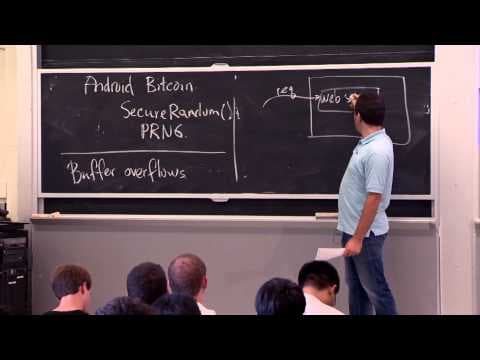
Computer Systems Security
Graduate-caliber engineering study of buffer overflows, privilege separation, capabilities, sandboxing, OS kernel isolation, web security models, network attacks, and side channels.
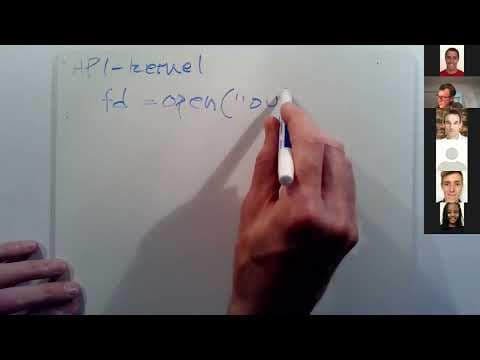
Operating System Engineering
Dissects UNIX operating system design around xv6 on RISC-V: page tables, traps, system calls, interrupts, locking, thread scheduling, crash-safe file systems, and virtual memory.