Distributed Systems
MIT's flagship graduate distributed systems course examining MapReduce, RPC, Google File System, primary-backup replication, Raft consensus, ZooKeeper, and distributed transactions.
Distributed systems, databases, operating systems, compilers, programming languages, networking, and computer architecture.
Complete university lecture courses in systems & cs.
MIT's flagship graduate distributed systems course examining MapReduce, RPC, Google File System, primary-backup replication, Raft consensus, ZooKeeper, and distributed transactions.
Inside modern relational and analytical DBMS internals: relational algebra, slotted-page storage, log-structured merge trees, columnar compression, buffer pool management, and hash/B+Tree indexes.
Dissects UNIX operating system design around xv6 on RISC-V: page tables, traps, system calls, interrupts, locking, thread scheduling, crash-safe file systems, and virtual memory.
Systematic engineering of fast software: Bentley optimization rules, bit hacks, compiler vectorization, Cilk work-span parallelism, cache-oblivious algorithms, memory allocators, and lock-free synchronization.
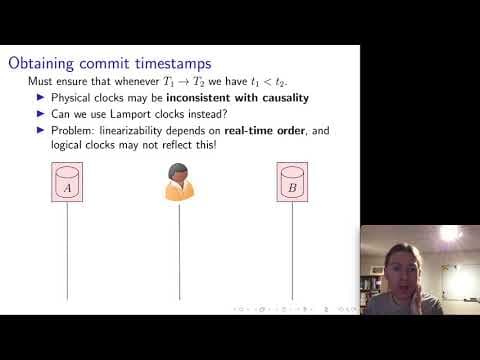
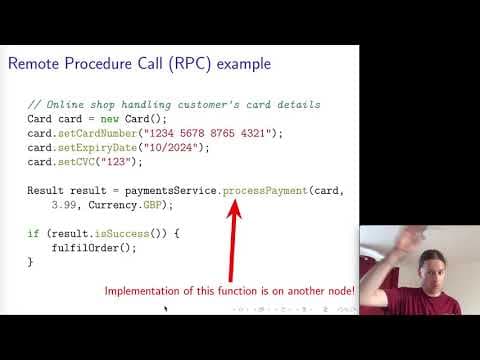
Martin Kleppmann's concise Cambridge lecture sequence on physical and logical clocks, causality, broadcast protocols, Raft consensus, replication, CRDTs, and distributed transactions.
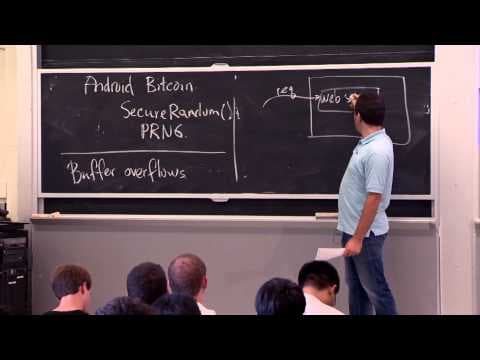
Graduate-caliber engineering study of buffer overflows, privilege separation, capabilities, sandboxing, OS kernel isolation, web security models, network attacks, and side channels.
Two complementary systems & cs talks paired around a central intellectual tension.
Alan Kay's critique of why software stopped short of becoming a dynamic intellectual medium, paired with Bret Victor's live principles for immediate-feedback tools.
Self-contained lectures, Nobel addresses, and research colloquia you can watch in one sitting.
Harold Abelson's inaugural lecture for MIT's 6.001, "Structure and Interpretation of Computer Programs," introduces Lisp as a foundational tool for computational abstraction.
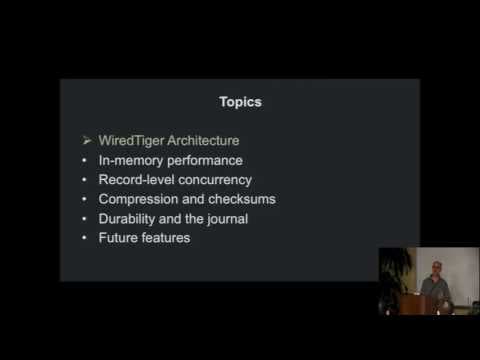
Keith Bostic presents WiredTiger, discussing its architecture and underlying principles in this segment from Carnegie Mellon University's rigorous Databaseology Lecture series.
Donald Knuth's 24th annual Christmas lecture, detailing the elegant 'Dancing Links' algorithm and its surprising effectiveness for solving exact covering problems across diverse applications.
An introductory lecture from Stanford's CS106A, outlining core programming principles, object-oriented design, and the fundamentals of Java for aspiring computer scientists.
Alan Kay, recipient of the 2003 Turing Award, discusses the unrealized potential of personal computing, drawing connections between early conceptualizations like the Dynabook and the evolution of object-oriented programming paradigms exemplified by Smalltalk.
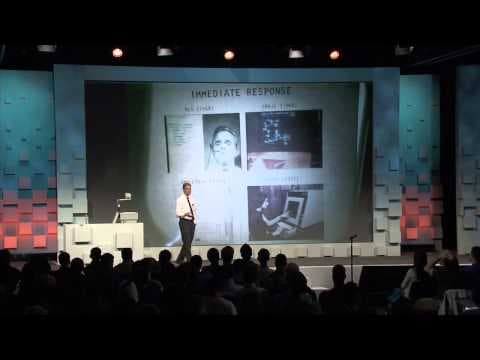
Bret Victor's iconic live demonstration arguing that creators need immediate visual connection to what they create—introducing continuous time-scrubbing execution for code, circuits, and math.

Kernel isolation, composable pipes, SQLite bytecode, Git, and Linux tracing
Bell Labs · MIT · Carnegie Mellon University +2
Digital architecture, compiler vectorization, C++ zero-overhead design, and columnar OLAP
ETH Zürich · MIT · University of Edinburgh +1

From unreliable networks and physical time to Raft and page-level durability
MIT · University of Cambridge · Carnegie Mellon University