Markets, Political Institutions & Global Development
Microeconomic incentives, macro policy, institutional divergence, and RCT poverty research
Combines MIT microeconomics and macroeconomics with Nobel-winning research by Daron Acemoglu and Esther Duflo on why nations prosper or remain in poverty traps.
Start Step 16 steps · 5h total
Curriculum sequence
6
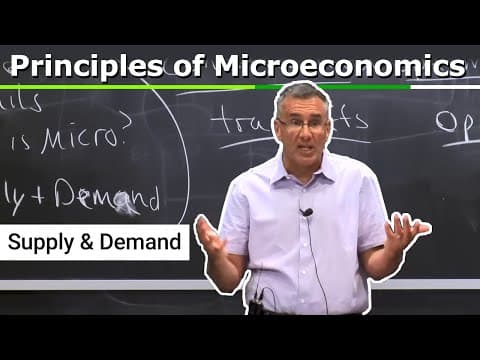
1. Introduction and Supply & Demand
Establishes price signals, market clearing, and comparative statics.

2. Preferences and Utility Functions
Formalizes household preferences, indifference curves, and utility maximization.
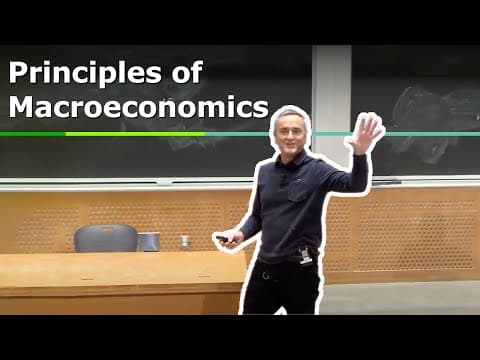
Lecture 1: Introduction to 14.02 Principles of Macroeconomics
Scales up to aggregate output, business cycles, and stabilization policy.

Step 4·MIT·Daron Acemoglu· 1:10:50
Why Nations Fail: The Origins of Power, Prosperity, and Poverty
Demonstrates how inclusive vs. extractive institutions shape long-run national wealth.
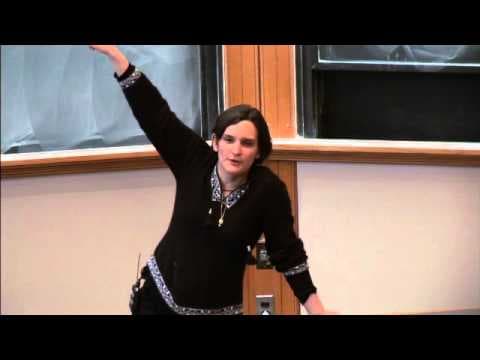
2. What is a Poverty Trap?
Models S-shaped capacity curves in nutrition, health, and credit that create poverty traps.

Step 6·MIT·Esther Duflo· 35:00
Field Experiments and the Fight Against Global Poverty (Nobel Lecture)
Applies randomized field trials to test concrete anti-poverty interventions at scale.