Sensory Psychophysics, Cortical Circuits & Computational Genomics
Auditory/visual transduction, psychophysical thresholds, and hardware-accelerated DNA analysis
Bridges MIT 9.35 Sensation and Perception (Jeremy Wolfe) with ETH Zürich Computational Genomics (Onur Mutlu) across biological signal processing and molecular sequence reconstruction.
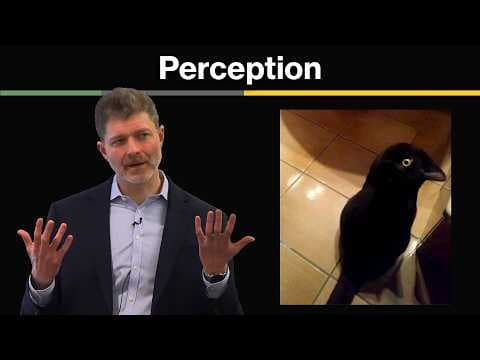
Curriculum sequence
5
Lecture 1: Introduction to Perception (9.35)
Establishes the inverse problem of perception: reconstructing distal physical world states from noisy transducers.
Lecture 2: Frequency Selectivity and Nonlinearity in Hearing (9.35)
Traces cochlear mechanics, basilar-membrane Fourier decomposition, and hair-cell phase locking.
Lecture 3: Sound Localization, Pitch, Timbre, and Loudness / Psychophysical Methods (9.35)
Develops signal detection theory, receiver operating characteristics, and binaural localization cues.
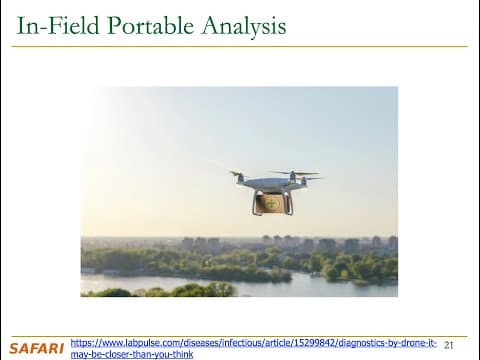

Lecture 2: Introduction to Genome Analysis (ETH-GENOMICS)
Formulates genome assembly and read mapping as high-throughput string-matching and graph problems.
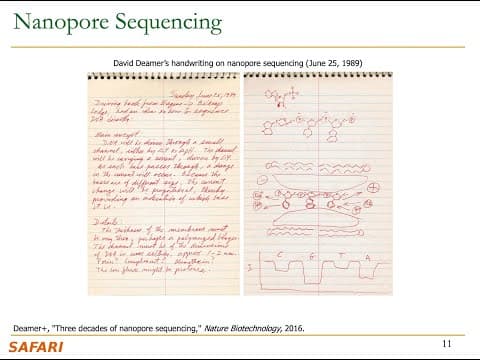
Lecture 3: From Molecules to Data: An Overview of DNA Sequencing Technologies (ETH-GENOMICS)
Compares short-read and nanopore sequencing physics and their algorithmic error profiles.