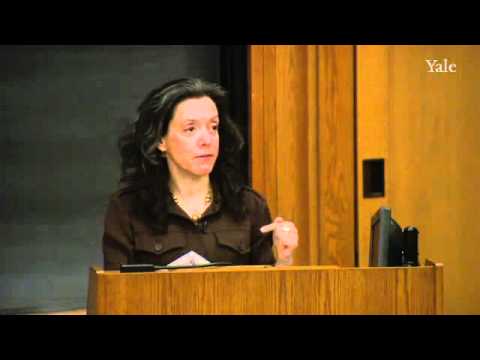
Outraged Colonials: The Stamp Act Crisis

Class of 1954 Professor of History and American Studies
This lecture examines the colonial responses to British fiscal policies following the French and Indian War, focusing on the Sugar Act and the 1765 Stamp Act. It analyzes the concept of virtual representation and Patrick Henry's arguments concerning colonial liberties.
The American Revolution (HIST 116)
Professor Freeman concludes her discussion (from the previous lecture) of the three early instances in which the American colonies joined together to form a union. She then turns to a discussion of the Stamp Act crisis, and how American colonists found a shared bond through their dissatisfaction with the Stamp Act. Faced with massive national debts incurred by the recent war with France, Prime Minister George Grenville instituted several new taxes to generate revenue for Britain and its empire. The colonists saw these taxes as signaling a change in colonial policy, and thought their liberties and rights as British subjects were being abused. These feelings heightened with the Stamp Act of 1765. Finding a shared cause in their protestations against these new British acts, Americans set the foundation for future collaboration between the colonies.
4. "Ever at Variance and Foolishly Jealous": Intercolonial Relations
Next · Lecture 6Resistance or Rebellion? (Or, What the Heck is Happening in Boston?)