Foundations of Micro & Macroeconomics: From Individual Choices to National Prosperity
This study path begins with foundational microeconomic concepts and market failures, then expands to analyze household decision-making under scarcity. It culminates in an examination of institutional economics and the macro-level factors driving national prosperity and development.
Explore core economic principles, market failures, household behavior, and institutional drivers of development.
5steps6htotal runtime
Step 1 of 5
Path progress0 of 5 watched
Curriculum sequence
5
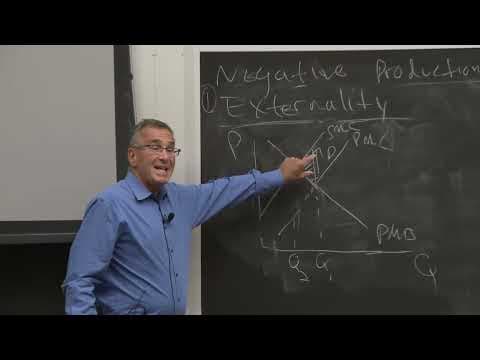
Externalities in Theory
This lecture introduces the fundamental concept of externalities and market failures, providing a crucial microeconomic foundation for understanding why government intervention might be necessary.

Why Study Public Finance?
Building on the concept of market failures, this lecture explores the justifications for government intervention, establishing the 'why' and 'how' of public finance in addressing economic inefficiencies.
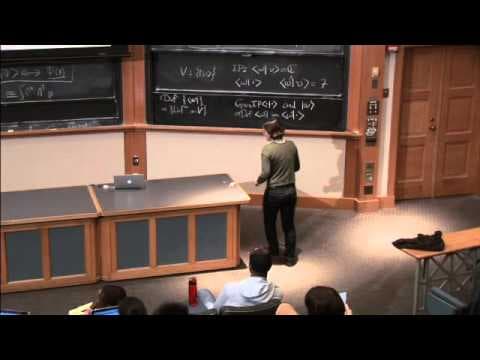
How Do Families Decide?
Moving from market-level failures to individual units, this lecture delves into the microeconomics of household decision-making, analyzing how families allocate resources under scarcity.

Step 5·MIT·Daron Acemoglu· 1:10:50
Why Nations Fail: The Origins of Power, Prosperity, and Poverty
Transitioning to macroeconomics, this lecture broadens the scope to national prosperity, arguing that inclusive institutions are fundamental drivers of economic development, building on the micro-foundations of individual and household choices.
Companion reading for this sequence
2Amazon Associate

Lecturer's Course TextPublicAffairs · Reprint Edition (2012)
Poor Economics: A Radical Rethinking of the Way to Fight Global Poverty
By Abhijit V. Banerjee & Esther Duflo
Nobel Laureates Abhijit Banerjee and Esther Duflo's companion text to MIT 14.73, synthesizing randomized field experiments across health, education, and credit.
Written by Esther Duflo for 14.73 · Matches 2 steps in pathISBN 978-1610390934
View on Amazon
By the LecturerCrown Currency · Reprint Edition (2013)
Why Nations Fail: The Origins of Power, Prosperity, and Poverty
By Daron Acemoglu & James A. Robinson
2024 Nobel Laureates Daron Acemoglu and James Robinson's foundational work on how inclusive versus extractive political institutions shape long-run prosperity.
Book by Daron Acemoglu featured in this lectureISBN 978-0307719225
View on Amazon