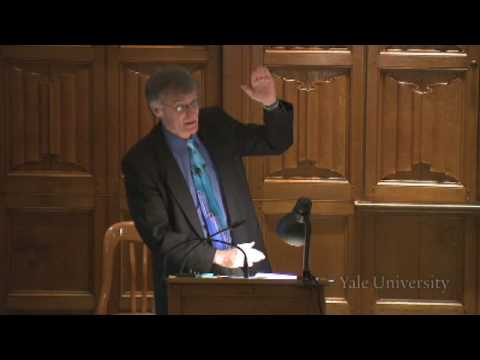
David W. Blight
Sterling Professor of History · Yale University · Pulitzer Prize Winner · author of Race and Reunion
David W. Blight is Sterling Professor of History at Yale, director of the Gilder Lehrman Center, and author of the Pulitzer-winning Frederick Douglass: Prophet of Freedom.
- lectures
- 27
- series
- 1
- hours
- 23
Start here


Series and courses
Yale HIST 119: The Civil War and Reconstruction Era, 1845–1877
Open the course
- 1Introductions: Why Does the Civil War Era Have a Hold on American Historical
- 2Southern Society: Slavery, King Cotton, and Antebellum America's "Peculiar" Region
- 3A Southern World View: The Old South and Proslavery Ideology
- 4A Northern World View: Yankee Society, Antislavery Ideology and the Abolition Movement
Show 23 moreShow fewer
- 5Telling a Free Story: Fugitive Slaves and the Underground Railroad in Myth and Reality
- 6Expansion and Slavery: Legacies of the Mexican War and the Compromise of 1850
- 7"A Hell of a Storm": The Kansas-Nebraska Act and the Birth of the Republican Party, 1854-55
- 8Dred Scott, Bleeding Kansas, and the Impending Crisis of the Union, 1855-58
- 9John Brown's Holy War: Terrorist or Heroic Revolutionary?
- 10The Election of 1860 and the Secession Crisis
- 11Slavery and State Rights, Economies and Ways of Life: What Caused the Civil War?
- 12"And the War Came," 1861: The Sumter Crisis, Comparative Strategies
- 13Terrible Swift Sword: The Period of Confederate Ascendency, 1861-1862
- 14Never Call Retreat: Military and Political Turning Points in 1863
- 15Lincoln, Leadership, and Race: Emancipation as Policy
- 16Days of Jubilee: The Meanings of Emancipation and Total War
- 17Homefronts and Battlefronts: "Hard War" and the Social Impact of the Civil War
- 18"War So Terrible": Why the Union Won and the Confederacy Lost at Home and Abroad
- 19To Appomattox and Beyond: The End of the War and a Search for Meanings
- 20Wartime Reconstruction: Imagining the Aftermath and a Second American Republic
- 21Andrew Johnson and the Radicals: A Contest over the Meaning of Reconstruction
- 22Constitutional Crisis and Impeachment of a President
- 23Black Reconstruction in the South: The Freedpeople and the Economics of Land and Labor
- 24Retreat from Reconstruction: The Grant Era and Paths to "Southern Redemption"
- 25The End of Reconstruction: Disputed Election of 1876 and the Compromise of 1877
- 26Race and Reunion: The Civil War in American Memory (HIST 119, Lecture 26)
- 27Legacies of the Civil War
In these lectures
- The 1857 Dred Scott decision declared that Congress had no authority to ban slavery in western territories and that African Americans could not be citizens, thereby destroying political compromise and moderation.John Brown's Holy War: Terrorist or Heroic Revolutionary?
- The American South functioned as one of the world's major historical slave societies, where slavery shaped all social relations and institutions.A Southern World View: The Old South and Proslavery Ideology
- The Emancipation Proclamation had four immediate effects: it made the Union army an army of liberation, encouraged slave resistance, committed the US to emancipation in the eyes of Europe, and authorized the recruitment of black soldiers.Days of Jubilee: The Meanings of Emancipation and Total War
Draws on
People cited in the lectures, at the moment of the citation.
- Abraham LincolnReferred to as calling it slavery agitation and House Divided speech
- Frederick DouglassCited for his post-Dred Scott speech addressing African American discouragement.
- Eric FonerHistorian of the Civil War and Reconstruction.
- Charles SumnerAbolitionist Senator whose beating was a catalyst for John Brown.
- Walt WhitmanPoet cited as the greatest death poet
- Ralph Waldo EmersonHosted John Brown during his fundraising campaign.
Playlists
2



About
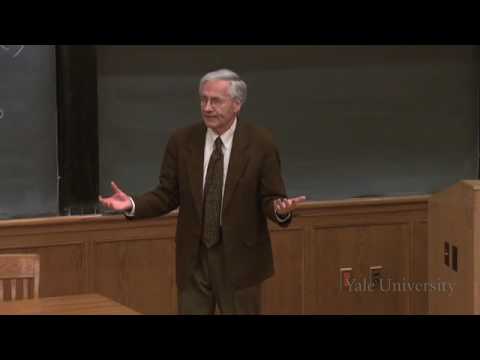
David W. Blight is Sterling Professor of History at Yale, director of the Gilder Lehrman Center, and author of the Pulitzer-winning Frederick Douglass: Prophet of Freedom. His undergraduate course HIST 119 runs from Dred Scott and John Brown's raid through emancipation and Appomattox to Reconstruction.
Same subject, History
Connections
32Their places, courses, books and lectures.
Institutions2
Book1
Concept1
Lectures27
- John Brown's Holy War: Terrorist or Heroic Revolutionary?
- A Southern World View: The Old South and Proslavery Ideology
- Days of Jubilee: The Meanings of Emancipation and Total War
- Lincoln, Leadership, and Race: Emancipation as Policy
- The Election of 1860 and the Secession Crisis
- "War So Terrible": Why the Union Won and the Confederacy Lost at Home and Abroad
Show 21 moreShow fewer
- Andrew Johnson and the Radicals: A Contest over the Meaning of Reconstruction
- "And the War Came," 1861: The Sumter Crisis, Comparative Strategies
- To Appomattox and Beyond: The End of the War and a Search for Meanings
- Dred Scott, Bleeding Kansas, and the Impending Crisis of the Union, 1855-58
- Never Call Retreat: Military and Political Turning Points in 1863
- "A Hell of a Storm": The Kansas-Nebraska Act and the Birth of the Republican Party, 1854-55
- Terrible Swift Sword: The Period of Confederate Ascendency, 1861-1862
- Homefronts and Battlefronts: "Hard War" and the Social Impact of the Civil War
- Wartime Reconstruction: Imagining the Aftermath and a Second American Republic
- Southern Society: Slavery, King Cotton, and Antebellum America's "Peculiar" Region
- Slavery and State Rights, Economies and Ways of Life: What Caused the Civil War?
- Expansion and Slavery: Legacies of the Mexican War and the Compromise of 1850
- Constitutional Crisis and Impeachment of a President
- Telling a Free Story: Fugitive Slaves and the Underground Railroad in Myth and Reality
- Introductions: Why Does the Civil War Era Have a Hold on American Historical
- Legacies of the Civil War
- Black Reconstruction in the South: The Freedpeople and the Economics of Land and Labor
- A Northern World View: Yankee Society, Antislavery Ideology and the Abolition Movement
- Race and Reunion: The Civil War in American Memory (HIST 119, Lecture 26)
- Retreat from Reconstruction: The Grant Era and Paths to "Southern Redemption"
- The End of Reconstruction: Disputed Election of 1876 and the Compromise of 1877