Opening Progressive Reforms, Part 1
Progressive Reforms, Part 1
- Length
- 22 min
- Level
- Undergraduate
- Recorded
- Yale University2026
Opening Progressive Reforms, Part 1
Chapter 1 of 3: Role of constitutional amendments
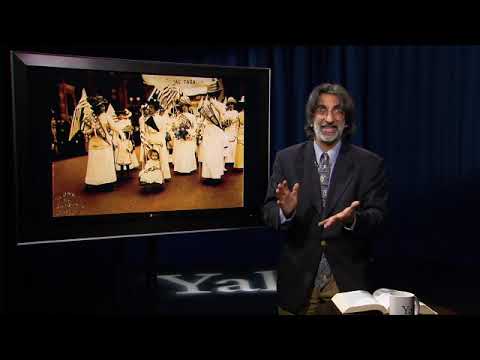
Constitutional amendments, Amar argues, shape modern American law and politics more than the 1787 text does. He starts from the Bill of Rights, which bound only Congress and was rarely enforced before the Civil War. John Bingham's Fourteenth Amendment later applied it to the states, the basis for New York Times v. Sullivan, Miranda v. Arizona, Griswold v. Connecticut and Lawrence v. Texas. Amar then groups amendments into generational waves that expand national power: the Sixteenth brought a national income tax, the Seventeenth direct Senate elections, and the Nineteenth doubled the electorate. Together, he contends, they laid the constitutional ground for welfare legislation and the New Deal. The session assumes basic familiarity with the Constitution and American history.
Your comment is kept while you sign up.Sign in
Reads the Sixteenth, Seventeenth and Nineteenth Amendments as one wave that laid ground for the New Deal.
Constitutional amendments, Amar argues, shape modern American law and politics more than the 1787 text does. He starts from the Bill of Rights, which bound only Congress and was rarely enforced before the Civil War. John Bingham's Fourteenth Amendment later applied it to the states, the basis for New York Times v. Sullivan, Miranda v. Arizona, Griswold v. Connecticut and Lawrence v. Texas. Amar then groups amendments into generational waves that expand national power: the Sixteenth brought a national income tax, the Seventeenth direct Senate elections, and the Nineteenth doubled the electorate. Together, he contends, they laid the constitutional ground for welfare legislation and the New Deal. The session assumes basic familiarity with the Constitution and American history.
New York Times versus Sullivan
Miranda versus Arizona
Lawrence versus Texas
Griswold versus Connecticut
Dred Scott
This lecture
Lecture 17 of 25 of America's Written Constitution.
Choose a node to see how it connects to this lecture. What comes before is on the leftat the top. What comes after is on the rightat the bottom. The ring is what it teaches. People and places are above. Other lectures and books are below.
Press a chosen node again to open it.