Algorithms & Data Structures: From Foundations to Frontiers
This study path begins with core algorithmic thinking and dynamic programming, establishing foundational problem-solving techniques. It then progresses to advanced data structures and synchronization methods, culminating in research-level insights into performance optimization and persistent data structures.
A curated path through algorithmic paradigms, data structures, and advanced computational techniques.
5steps5htotal runtime
Step 1 of 5
Path progress0 of 5 watched
Curriculum sequence
5
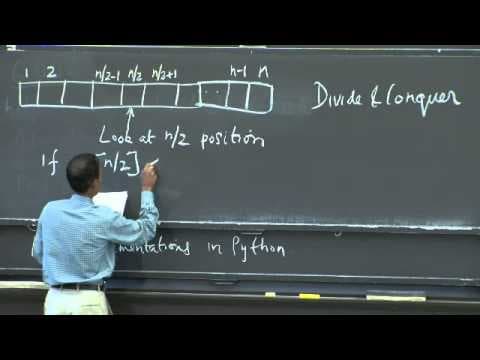
Algorithmic Thinking & Peak Finding in 1D and 2D
This lecture introduces fundamental algorithmic thinking through peak finding, demonstrating how rigorous invariant-based proofs are essential for both correctness and efficiency in algorithm design.
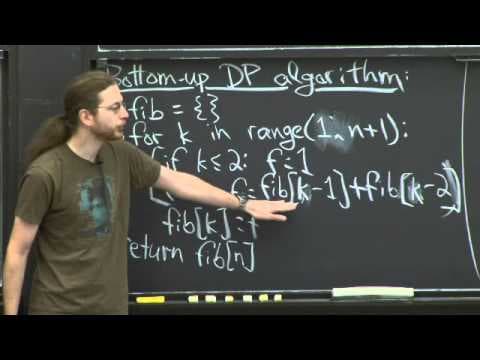
Dynamic Programming I: Fibonacci, Shortest Paths
Building on foundational algorithmic thinking, this lecture introduces dynamic programming as a powerful technique for solving optimization problems by breaking them into overlapping subproblems, exemplified by Fibonacci and shortest path calculations.
Synchronization Without Locks
Expanding beyond basic algorithms, this lecture delves into advanced synchronization techniques without locks, crucial for understanding concurrent systems and optimizing performance in multi-threaded environments.
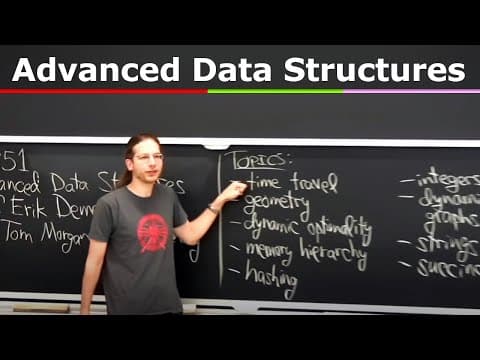
Persistent Data Structures
This lecture extends the understanding of data management by introducing persistent data structures, which are vital for functional programming and maintaining historical versions of data, building on the need for robust and efficient data handling.

Optimizing Clojure: Leveraging Modern JVM for Performance
This final step explores research frontiers in performance optimization, leveraging modern JVM capabilities to enhance programming language efficiency, demonstrating the practical application of advanced algorithmic and data structure principles.
Companion reading for this sequence
2Amazon Associate

Lecturer's Course TextMIT Press · 4th Edition (2022)
Introduction to Algorithms (CLRS)
By Thomas H. Cormen, Charles E. Leiserson, Ronald L. Rivest et al.
Co-authored by MIT lecturers Charles Leiserson and Ronald Rivest—the canonical syllabus textbook for MIT 6.006 and 6.046J algorithm design and analysis.
Written by Charles Leiserson for 6.172 · Matches 4 steps in pathISBN 978-0262046305
View on Amazon
By the LecturerCambridge University Press · 1st Edition (2007)
Geometric Folding Algorithms: Linkages, Origami, Polyhedra
By Erik D. Demaine & Joseph O'Rourke
MacArthur Fellow Erik Demaine's monograph on the algorithmic geometry of linkages, origami crease patterns, and polyhedral unfolding.
Published monograph by Erik Demaine · Matches 2 steps in pathISBN 978-0521715225
View on Amazon