The Architecture of Programming Languages: From Abstraction to Optimization
This study path systematically unpacks the core concepts of programming languages, beginning with symbolic abstraction and immutable data. It then progresses through type systems and compiler internals, culminating in advanced optimization strategies and native compilation techniques.
Explore the foundational principles, design paradigms, and advanced compilation techniques that define modern programming languages.
6steps5htotal runtime
Step 1 of 6
Path progress0 of 6 watched
Curriculum sequence
6
Overview and Introduction to Lisp: Procedural & Symbolic Abstraction
This foundational lecture introduces Lisp as a powerful tool for procedural and symbolic abstraction, establishing the core concept of programming as the manipulation of symbols and expressions.
Persistent Data Structures
Building on symbolic abstraction, this lecture introduces persistent data structures, a critical concept for understanding immutable data and functional programming paradigms that underpin robust language design.
Step 3·Premature Abstraction· 15:21
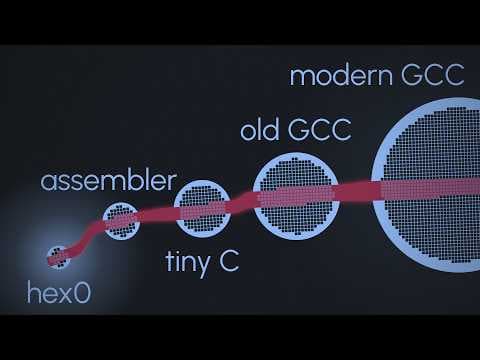
Decidability, Type Systems, and the Limits of Open Source Trust
With an understanding of data structures, this lecture delves into type systems and decidability, exploring how formal properties of languages ensure correctness and the inherent limits of static analysis.
What Compilers Can and Cannot Do
Transitioning from language theory, this lecture examines the practical capabilities and limitations of compilers, detailing how source code is transformed and optimized within the Clang/LLVM pipeline.

Optimizing Clojure: Leveraging Modern JVM for Performance
Leveraging knowledge of compiler internals, this lecture explores advanced optimization techniques for Clojure on the JVM, demonstrating how language runtimes can be tuned for peak performance.
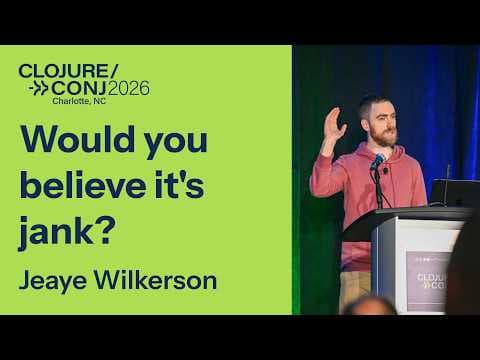
Step 6·Clojure/conj·Jeaye Wilkerson· 40:11

The Jank Dialect: Native Clojure on LLVM with Seamless C++ Interop
Finally, this lecture showcases a cutting-edge native Clojure dialect built on LLVM, illustrating how deep compiler integration enables seamless C++ interop and high-performance native application development.
Companion reading for this sequence
2Amazon Associate
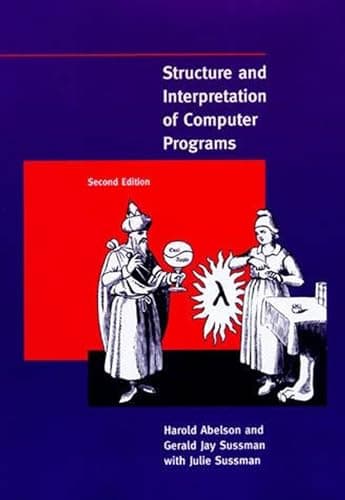
Lecturer's Course TextMIT Press · 2nd Edition (1996)
Structure and Interpretation of Computer Programs
By Harold Abelson, Gerald Jay Sussman, Julie Sussman
The legendary 'Wizard Book' written by Hal Abelson and Gerald Jay Sussman for MIT 6.001—exploring procedural abstraction, metalinguistic evaluators, and register machines.
Written by Hal Abelson for 6.001ISBN 978-0262510875
View on Amazon
Course TextbookMIT Press · 4th Edition (2022)
Introduction to Algorithms (CLRS)
By Thomas H. Cormen, Charles E. Leiserson, Ronald L. Rivest et al.
Co-authored by MIT lecturers Charles Leiserson and Ronald Rivest—the canonical syllabus textbook for MIT 6.006 and 6.046J algorithm design and analysis.
Assigned syllabus text for 6.172 · Matches 2 steps in pathISBN 978-0262046305
View on Amazon