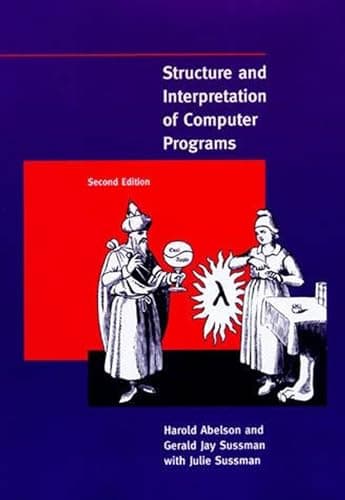
The Architecture of Thought: From Programming Primitives to Human-Computer Interaction
This study path navigates the intellectual landscape of Software Design and HCI, beginning with the fundamental models of computation and progressing through the critical examination of programming paradigms and the cognitive aspects of design. It culminates in a forward-looking perspective on how notation and AI shape our interaction with computing systems, preparing learners to innovate at the research frontier.
Explore the foundational principles of software design, the cognitive science of programming, and the future of human-computer interaction.
6steps5htotal runtime
Step 1 of 6
Path progress0 of 6 watched
Curriculum sequence
6
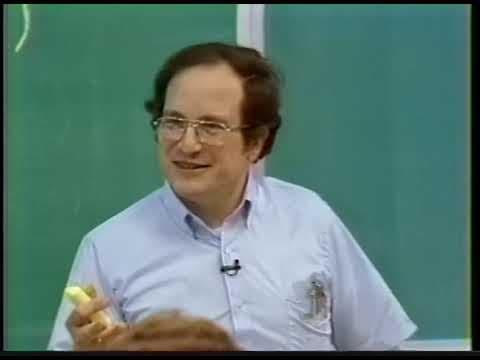
Procedures and Processes: The Substitution Model, Recursion & Iteration
This lecture establishes the foundational understanding of computational processes through the substitution model, essential for grasping how software executes and forms the basis for all subsequent design considerations.
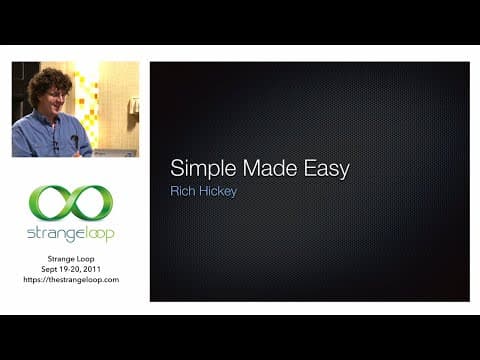
Step 2·Strange Loop Conference·Rich Hickey· 1:01:23
Simple Made Easy
Building on the understanding of basic computational models, this lecture introduces critical vocabulary for diagnosing and mitigating accidental complexity, a crucial skill for designing robust and maintainable software systems.
Step 3·Clojure/conj·Rich Hickey· 39:49

Hammock Driven Development
With a grasp of complexity, this lecture shifts focus to the cognitive process of design, advocating for deep, uninterrupted thought to decompose problems effectively, which is vital for architecting elegant solutions.
Step 4·DBX Conference·Bret Victor· 32:55
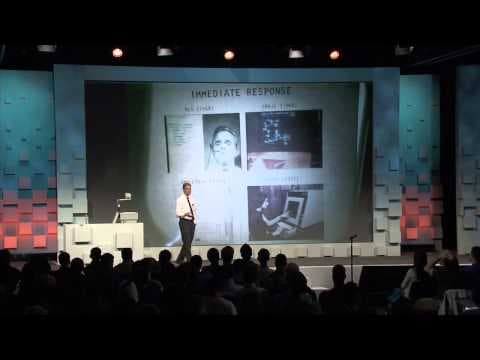
The Future of Programming
Leveraging insights into design thinking, this lecture critically examines historical programming paradigms and their limitations, providing context for understanding the evolution and future directions of software development.
Step 5·Stanford University·Pat Hanrahan· 1:10:12

On Notation: Principles and Impact in Computing
Expanding on the critique of programming paradigms, this lecture highlights the profound impact of notation on computing systems, demonstrating how expressive tools shape our ability to design and interact with software.
Step 6·Domain-Driven Design Europe·Felienne Hermans· 48:26

AI's Impact on Programming: An Epistemological Perspective
Finally, this lecture offers an epistemological perspective on AI's impact on programming, challenging current narratives and prompting critical thought about the future of human-computer interaction and software design.
Companion reading for this sequence
Amazon Associate