Courses
105 multi-lecture university courses with ordered session lists.

Introduction to Ancient Greek History
Donald Kagan traces Greek civilization from the Bronze Age collapse and rise of the polis through Athenian democracy, the Persian Wars, and Thucydides' Peloponnesian War.
The American Revolution
Joanne Freeman reconstructs the political, social, and ideological upheaval of British North America from imperial crisis and street protest through independence, war, and constitutional founding.
The Civil War and Reconstruction Era, 1845–1877
Pulitzer Prize historian David Blight examines the causes, military turning points, emancipation, constitutional remaking, and contested memory of the American Civil War and Reconstruction.

The Making of Modern Ukraine
Timothy Snyder explores a millennium of European state formation, empire, nationhood, language politics, and historical methodology through the history of Ukraine.
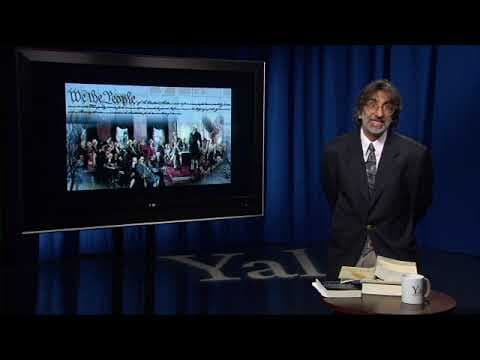
America's Written Constitution
Systematic historical and textual examination of the United States Constitution, tracing its eighteenth-century ratification, structural separation of powers, and Reconstruction amendments.
Introduction to the Old Testament (Hebrew Bible)
Historical, literary, and archaeological study of the Hebrew Bible in its Ancient Near Eastern context: Mesopotamian myth, covenant law, prophecy, wisdom literature, and canon formation.
Introduction to Theory of Literature
Surveys modern literary theory from Russian formalism, hermeneutics, semiotics, structuralism, and deconstruction to psychoanalysis, New Historicism, and postcolonial criticism.
European Civilization, 1648–1945
Absolutism, the Enlightenment, the French Revolution, industrialization, urban life, nationalism, imperial rivalry, World War I, the Russian Revolution, and World War II.
The Early Middle Ages, 284–1000
Traces late Roman transformation, Christianization, Byzantium, the rise of Islam and the Abbasid Caliphate, monasticism, Charlemagne's Carolingian Empire, and Viking expansion.
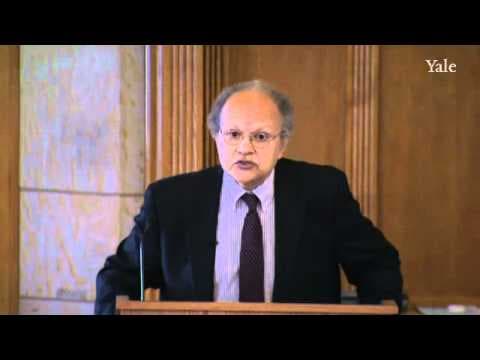
Epidemics in Western Society Since 1600
Traces how bubonic plague, smallpox, cholera, tuberculosis, yellow fever, influenza, and HIV reshaped state power, urban sanitation, medical science, and social order.
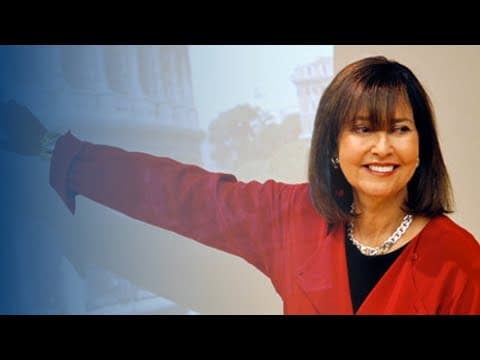
Roman Architecture
Concrete vaulting, urban forums, Pompeii, imperial palaces, the Colosseum, the Pantheon, Hadrian's Villa, and architectural engineering across the Roman provinces.
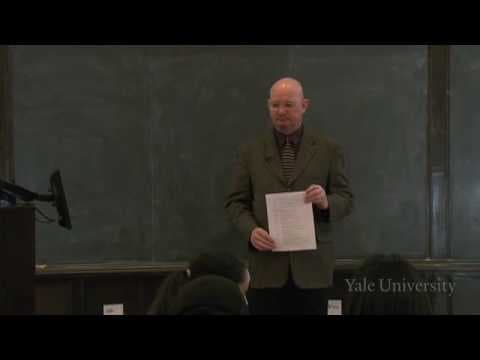
Introduction to the New Testament History and Literature
Historical-critical study of early Christian texts within Greco-Roman and Second Temple Jewish society, from Pauline letters and synoptic Gospels to apocalyptic literature.